
Account Security and Verification Checks at Lussurio
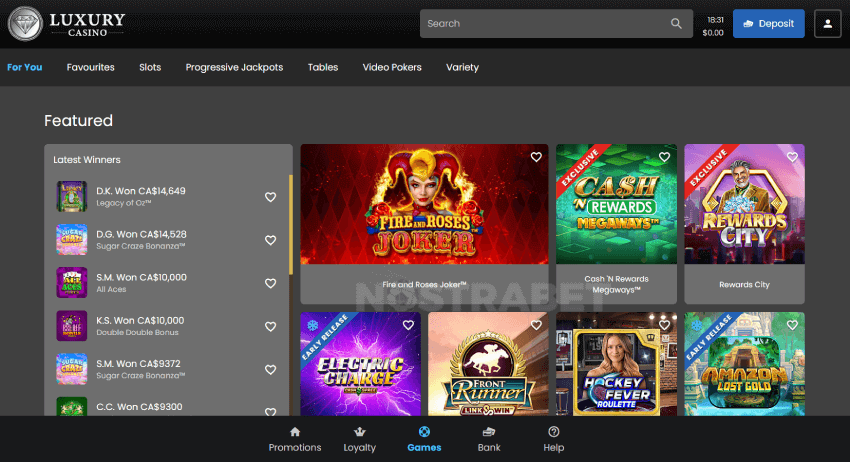
For Canadians considering an offshore gaming account, security is not only about passwords. It also involves accurate registration details, identity checks, payment ownership and knowing what happens if an account is reviewed. The available information about casino lussurio describes several verification stages, but it also notes that reviews can take longer when documents, duplicate-account concerns or game-provider checks arise. A careful approach helps players protect personal information and avoid preventable interruptions.
Which details should match from the beginning?
Account security starts with consistent information at registration. The stated requirements include a legal name, residential details and a working email address or phone number. Players may also select an account currency and accept the applicable terms. These details should be entered accurately rather than shortened, altered or borrowed from another person’s information.

Consistency matters because later checks may compare registration data with identity documents and payment records. A mismatch in a surname, address, date of birth or contact detail can create questions even when the account holder has done nothing improper. Changes to personal information or identity documents may require support review, so it is sensible to update details through the approved account or support process instead of opening a replacement account.
Duplicate registration is another stated restriction. Creating more than one personal account, whether deliberately or because an old account is forgotten, can lead to an account review. Before registering again, a player who cannot access an existing profile should use the recovery route or contact support. Keeping registration information, correspondence and transaction records together can make later clarification more straightforward.
How does a normal KYC review work?
Know Your Customer, or KYC, is the process used to establish who controls an account and whether payments belong to that person. The described checks may request government-issued identification, proof of residential address and evidence that the deposit or withdrawal method is owned by the account holder. The exact documents and acceptable formats should be confirmed in the operator’s current requirements.
Identity evidence should be clear, current and submitted only through the designated verification channel. Avoid sending sensitive documents through an unverified social-media account or to an address that does not appear in the official support information. Check the spelling of every document before uploading it, and retain a record of what was supplied, when it was sent and whether the submission was accepted.
Available information lists verification or pending-review windows of up to 72 hours, while warning that additional checks can extend the process. Public complaints also mention delayed verification, duplicate-account allegations and withdrawals paused during game-provider reviews. These reports do not establish what will happen in every case, but they show why players should not treat a displayed processing estimate as a guaranteed deadline.
What should be checked before sharing documents?

Document requests deserve the same caution as payment requests. Before responding, sign in through a familiar browser bookmark or manually verified website address, confirm that the account status actually shows a review, and read the instructions carefully. Do not disclose a password, one-time authentication code or full card security code as part of ordinary identity verification.
Use a private device and a secure connection when sending identification. Keep operating-system updates and browser security tools current, and avoid public computers where files or passwords may remain stored. Canada’s Canadian Centre for Cyber Security guidance provides broader advice on protecting accounts and personal information online; it does not confirm any casino-specific process or security promise.
File handling is also important. Save only the records needed for your own reference, remove unnecessary duplicate copies from shared devices and check where downloaded documents are stored. If an email or message creates urgency, asks for unusual payment information or uses a suspicious address, pause before replying. Confirm the request through the account’s established support channel rather than following an unexpected link.
How can payment ownership affect account security?
Verification does not necessarily end with identity documents. The available account information says that evidence confirming ownership of the deposit or withdrawal method may be required. This can be relevant when a card, e-wallet, bank route or cryptocurrency account is registered in another person’s name. Using only a payment method controlled by the account holder reduces the chance of an ownership dispute.
Keep confirmation messages, transaction references and relevant account statements, while concealing information that is not needed for a review. Never send a complete card number or online-banking password. If a payment method is replaced, ask support whether the change needs to be recorded before requesting a withdrawal. Method availability, thresholds and review requirements can vary by currency, country and cashier profile.
Withdrawals may also be paused while identity, payment ownership or game-provider questions are examined. That possibility makes it unwise to deposit money needed for rent, bills or other commitments. It is also important not to assume that a pending transaction means funds have been lost or that an advertised time applies in every case. Request a clear status explanation and keep the response for your records.
What should you do when access or withdrawals are restricted?
First, avoid repeated registrations or repeated payment attempts. Multiple new login or cashier actions can complicate an existing review. Use the documented recovery flow for forgotten credentials, and contact support if the account is inaccessible, locked or showing an unfamiliar restriction. The available information identifies live chat and email support, but response channels and document requests should still be verified inside the account or through trusted official information.
A useful support message is factual and limited. Include the account identifier, the date of the issue, the relevant transaction reference and a short description of what happened. Do not send a password. Ask which requirement remains outstanding, whether a submitted document was received, and whether any deadline applies. Clear questions are more useful than repeated messages that contain conflicting explanations.
Finally, consider whether continuing is appropriate while a review remains unresolved. Keep copies of terms that applied when the account was opened, screenshots of status messages and proof of correspondence. If the response does not explain the restriction, ask for the applicable account rule in writing. Players should rely on the current stated requirements rather than assumptions about licensing, availability or guaranteed processing times.
Account security questions Canadian players often ask
Can a Canadian player assume verification will finish within 72 hours?
No. Available information describes checks or pending reviews of up to 72 hours, but extra document, payment-ownership, duplicate-account or game-provider checks may take longer. Treat the period as an indication rather than a promise, and ask support which specific requirement is delaying the account.
Is a native mobile app required for secure access?
No. The available material describes browser-based access on modern smartphones and tablets, while a verifiable official iOS or Android listing was not established. Use an updated browser, avoid unofficial downloads and check the address carefully. A website experience and a dedicated app should not be treated as identical.
What is the safest response to a document request?
Verify the request through the established account or support channel, then submit only the documents and information specifically required. Do not provide passwords, one-time codes or unnecessary card details. Keep submission records, use a private updated device and pause if the request appears urgent, unusual or inconsistent.