Blog

  • ะะฝะดั€ั–ะน ะ”ะพะฑั€ะพะฒะพะปัŒััŒะบะธะน (Cosmobet): iGaming ัะบ ะฝะพะฒะฐ ัะพั†ั–ะฐะปัŒะฝะฐ ะผะตั€ะตะถะฐ. ะงะพะผัƒ ะตะผะพั†ั–ั— ะฟะตั€ะตะผะฐะณะฐัŽั‚ัŒ ะฐะปะณะพั€ะธั‚ะผะธ?

    ะกัƒั‡ะฐัะฝะธะน ะดั–ะดะถะธั‚ะฐะป-ะฟั€ะพัั‚ั–ั€ ะฟะตั€ะตะถะธะฒะฐั” ะบั€ะธะทัƒ ะฟะฐัะธะฒะฝะพะณะพ ัะฟะพะถะธะฒะฐะฝะฝั, ะดะต ั‚ั€ะฐะดะธั†ั–ะนะฝั– ัะพั†ั–ะฐะปัŒะฝั– ะผะตั€ะตะถั– ะฟะตั€ะตั‚ะฒะพั€ัŽัŽั‚ัŒัั ะฝะฐ ะฝะตัะบั–ะฝั‡ะตะฝะฝั– ัั‚ั€ั–ั‡ะบะธ ั‡ัƒะถะพะณะพ ะถะธั‚ั‚ั. ะะฐ ะฟั€ะพั‚ะธะฒะฐะณัƒ ั†ัŒะพะผัƒ, iGaming-ะฟะปะฐั‚ั„ะพั€ะผะธ ั‚ั€ะฐะฝัั„ะพั€ะผัƒัŽั‚ัŒัั ัƒ ะดะธะฝะฐะผั–ั‡ะฝั– ั†ะธั„ั€ะพะฒั– ั…ะฐะฑะธ, ะดะต ะฒะทะฐั”ะผะพะดั–ั ะฟะพะฑัƒะดะพะฒะฐะฝะฐ ะฝะฐ ัะฟั–ะปัŒะฝั–ะน ะดั–ั— ั‚ะฐ ั€ะตะฐะปัŒะฝะพะผัƒ ะดะพัะฒั–ะดั–. ะะฝะดั€ั–ะน ะ”ะพะฑั€ะพะฒะพะปัŒััŒะบะธะน Cosmobet ะฑะตะฝะตั„ั–ั†ั–ะฐั€, ะทะฐะทะฝะฐั‡ะฐั”, ั‰ะพ ัะฐะผะต ะฟะตั€ะตั…ั–ะด ะฒั–ะด ัะฟะพัั‚ะตั€ะตะถะตะฝะฝั ะดะพ ัƒั‡ะฐัั‚ั–, ั€ะพะฑะธั‚ัŒ ะณะตะผะฑะปั–ะฝะณ-ัะฟั–ะปัŒะฝะพั‚ะธ ะฑั–ะปัŒัˆ ะถะธั‚ั‚ั”ะทะดะฐั‚ะฝะธะผะธ ั‚ะฐ ั‰ะธั€ะธะผะธ, ะฝั–ะถ ะบะปะฐัะธั‡ะฝั– ะฟะปะฐั‚ั„ะพั€ะผะธ ะฝะฐ ะบัˆั‚ะฐะปั‚ Instagram ั‡ะธ Facebook.

    «ะœะธ ะฑะฐั‡ะธะผะพ ะทะฐั…ั–ะด ะตะฟะพั…ะธ ะฟะฐัะธะฒะฝะพะณะพ ะปะฐะนะบะฐ. ะกัŒะพะณะพะดะฝั– ะบะพั€ะธัั‚ัƒะฒะฐั‡ ัˆัƒะบะฐั” ะฝะต ะฟั€ะพัั‚ะพ ะบะพะฝั‚ะตะฝั‚, ะฐ ัะฟั–ะฒะฟั€ะธั‡ะตั‚ะฝั–ัั‚ัŒ, ะดะต ะนะพะณะพ ั€ั–ัˆะตะฝะฝั ั‚ะฐ ะตะผะพั†ั–ั— ะผะฐัŽั‚ัŒ ะทะฝะฐั‡ะตะฝะฝั ะดะปั ะณั€ัƒะฟะธ, ั– ัะฐะผะต iGaming ะฝะฐะดะฐั” ั‚ะฐะบัƒ ะผะพะถะปะธะฒั–ัั‚ัŒ ั‡ะตั€ะตะท ั–ะฝั‚ะตั€ะฐะบั‚ะธะฒะฝั– ะผะตั…ะฐะฝั–ะบะธ».

    ะกะพั†ั–ะฐะปัŒะฝะธะน ะบะฐะฟั–ั‚ะฐะป ะณั€ะธ: ะฒะธั…ั–ะด ะทะฐ ะผะตะถั– «ัะฐะผะพั‚ะฝัŒะพะณะพ ะณั€ะฐะฒั†ั»

    ะกั‚ะตั€ะตะพั‚ะธะฟ ะฟั€ะพ ั–ะทะพะปัŒะพะฒะฐะฝะพะณะพ ะณั€ะฐะฒั†ั ะพัั‚ะฐั‚ะพั‡ะฝะพ ะฟั–ัˆะพะฒ ัƒ ะผะธะฝัƒะปะต, ะฟะพัั‚ัƒะฟะธะฒัˆะธััŒ ะผั–ัั†ะตะผ ะบะพะฝั†ะตะฟั†ั–ั— «ัะพั†ั–ะฐะปัŒะฝะพั— ะณะตะนะผั–ั„ั–ะบะฐั†ั–ั—». ะ”ะพ ะฟั€ะธะบะปะฐะดัƒ, ะณั€ะฐะฒั†ั– ะพะฑะผั–ะฝัŽัŽั‚ัŒัั ัั‚ั€ะฐั‚ะตะณั–ัะผะธ ั‚ะฐ ั€ะฐะดั–ัŽั‚ัŒ ะทะฐ ะฟะตั€ะตะผะพะณะธ ั–ะฝัˆะธั…, ั‚ะฐะบะฐ ะฒะทะฐั”ะผะพะดั–ั ัั‚ะฒะพั€ัŽั” ะทะฒ’ัะทะบะธ, ะผั–ั†ะฝั–ัˆั– ะทะฐ ะทะฒะธั‡ะฐะนะฝะต ั„ะพะปะพะฒั–ะฝะณ-ัะฟั–ะปะบัƒะฒะฐะฝะฝั. ะ—ะณั–ะดะฝะพ ะท ะดะพัะปั–ะดะถะตะฝะฝัะผ Smartico, ะฟะปะฐั‚ั„ะพั€ะผะธ, ั‰ะพ ะฒะฟั€ะพะฒะฐะดะถัƒัŽั‚ัŒ ัะพั†ั–ะฐะปัŒะฝั– ะผะตั…ะฐะฝั–ะบะธ, ะดะตะผะพะฝัั‚ั€ัƒัŽั‚ัŒ ั€ั–ะฒะตะฝัŒ ัƒั‚ั€ะธะผะฐะฝะฝั (retention rate) ะฝะฐ ั€ั–ะฒะฝั– 75%, ั‰ะพ ะทะฝะฐั‡ะฝะพ ะฒะธะฟะตั€ะตะดะถะฐั” ัะตั€ะตะดะฝั– ะฟะพะบะฐะทะฝะธะบะธ ะณะฐะปัƒะทั–. 

    ะฏะบั– ะผะตั…ะฐะฝั–ะบะธ ะผะพะถะฝะฐ ะทะฐะฟะพะทะธั‡ะธั‚ะธ ะท ะฟะปะฐั‚ั„ะพั€ะผ Twitch ั‚ะฐ Kick?

    • ะ“ั€ะฐะฒั†ั– ะพะฑะณะพะฒะพั€ัŽัŽั‚ัŒ ะบั€ะพะบะธ ะฒ ั€ะตะฐะปัŒะฝะพะผัƒ ั‡ะฐัั–, ั‰ะพ ะฟะตั€ะตั‚ะฒะพั€ัŽั” ั–ะฝะดะธะฒั–ะดัƒะฐะปัŒะฝัƒ ะณั€ัƒ ะฝะฐ ะณั€ัƒะฟะพะฒะธะน ะฟั€ะพั†ะตั.
    • ะ•ะผะพั†ั–ะนะฝะฐ ั€ะตะฐะบั†ั–ั ัะฟั–ะปัŒะฝะพั‚ะธ ะฝะฐ ัƒัะฟั–ั… ั‡ะธ ะฝะตะฒะดะฐั‡ัƒ ะฒั–ะดะฑัƒะฒะฐั”ั‚ัŒัั ั‚ัƒั‚ ั– ะทะฐั€ะฐะท.
    • ะขัƒั€ะฝั–ั€ะฝั– ั‚ะฐะฑะปะธั†ั– ั‚ะฐ ะปั–ะณะธ ั„ะพั€ะผัƒัŽั‚ัŒ ะฒะฝัƒั‚ั€ั–ัˆะฝัŽ ั–ั”ั€ะฐั€ั…ั–ัŽ, ะดะต ัั‚ะฐั‚ัƒั ะฒะธะทะฝะฐั”ั‚ัŒัั ั€ะตะฐะปัŒะฝะธะผะธ ะดั–ัะผะธ.

    ะขะฐะบะธะน ะฟั–ะดั…ั–ะด ะบะฐั€ะดะธะฝะฐะปัŒะฝะพ ะทะผั–ะฝัŽั” ัะบั–ัั‚ัŒ ะทะฐะปัƒั‡ะตะฝะฝั, ะพัะบั–ะปัŒะบะธ ะบะพั€ะธัั‚ัƒะฒะฐั‡ั– ะพั€ั–ั”ะฝั‚ัƒัŽั‚ัŒัั ะฝะฐ ะถะธะฒะธะน ะดะพัะฒั–ะด, ะฐ ะฝะต ะฝะฐ ะฒั–ะดั„ั–ะปัŒั‚ั€ะพะฒะฐะฝั– ะพะฑั€ะฐะทะธ. ะะฝะดั€ั–ะน ะ”ะพะฑั€ะพะฒะพะปัŒััŒะบะธะน ะทะฐะทะฝะฐั‡ะฐั”, ั‰ะพ ะฟะปะฐั‚ั„ะพั€ะผะฐ ัั‚ะฐั” ะฟะพะฒะฝะพั†ั–ะฝะฝะพัŽ ะตะบะพัะธัั‚ะตะผะพัŽ, ะดะต ัะพั†ั–ะฐะปัŒะฝะฐ ั†ั–ะฝะฝั–ัั‚ัŒ ั€ั–ะฒะฝะพั†ั–ะฝะฝะฐ ั–ะณั€ะพะฒั–ะน. ะฃ ัะฒั–ั‚ั–, ะดะต ะฒัั– ะฒั‚ะพะผะธะปะธัั ะฒั–ะด ั–ะดะตะฐะปัŒะฝะธั… ะบะฐั€ั‚ะธะฝะพะบ, ัะฟั€ะฐะฒะถะฝั–ะน ะฐะทะฐั€ั‚ ั– ั‰ะธั€ะฐ ะฟั–ะดั‚ั€ะธะผะบะฐ ะฒ ั‡ะฐั‚ั– ัั‚ะฐัŽั‚ัŒ ะฝะพะฒะธะผ ะดะตั„ั–ั†ะธั‚ะฝะธะผ ั€ะตััƒั€ัะพะผ.

    ะ›ะฐะนะบะธ ะฟั€ะพะณั€ะฐะปะธ ะถะธะฒะพะผัƒ ั‡ะฐั‚ัƒ ั‚ะฐ ั‚ัƒั€ะฝั–ั€ะฐะผ

    ะะฝะดั€ั–ะน ะ”ะพะฑั€ะพะฒะพะปัŒััŒะบะธะน ะฒะธัะฒะธะฒ ั†ั–ะบะฐะฒัƒ ะทะฐะบะพะฝะพะผั–ั€ะฝั–ัั‚ัŒ: ะพัะพะฑะปะธะฒั–ัั‚ัŒ ะณะตะผะฑะปั–ะฝะณ-ัะฟั–ะปัŒะฝะพั‚ะธ ะฟะพะปัะณะฐั” ะฒ ะฐะบั‚ะธะฒะฝั–ะน ะฟะพะทะธั†ั–ั— ะบะพะถะฝะพะณะพ ัƒั‡ะฐัะฝะธะบะฐ, ั‰ะพ ะบะฐั€ะดะธะฝะฐะปัŒะฝะพ ะฒั–ะดั€ั–ะทะฝัั”ั‚ัŒัั ะฒั–ะด «ะทะพะผะฑั–-ัะบั€ะพะปั–ะฝะณัƒ» ะฝะพะฒะธะฝะฝะพั— ัั‚ั€ั–ั‡ะบะธ. ะฃ ั„ะพั€ะผะฐั‚ั– ัะฟั–ะปัŒะฝะพั— ะดั–ั— ะบะพะถะตะฝ ะบะพะผะตะฝั‚ะฐั€ ะผะฐั” ะฒะฐะณัƒ, ะฐ ะฟะพั€ะฐะดะฐ ะฒั–ะด ะดะพัะฒั–ะดั‡ะตะฝะพะณะพ ะณั€ะฐะฒั†ั ัะฟั€ะธะนะผะฐั”ั‚ัŒัั ัะบ ั†ั–ะฝะฝะธะน ั–ะฝัะฐะนั‚. ะฆะต ัั‚ะฒะพั€ัŽั” ัะตั€ะตะดะพะฒะธั‰ะต ะฒะธัะพะบะพั— ะดะพะฒั–ั€ะธ, ะดะต ะปัŽะดะธ ะพะฑ’ั”ะดะฝัƒัŽั‚ัŒัั ะฝะฐะฒะบะพะปะพ ะบะพะฝะบั€ะตั‚ะฝะพะณะพ ะฟั€ะพั†ะตััƒ, ะฐ ะฝะต ะฐะฑัั‚ั€ะฐะบั‚ะฝะพะณะพ ะบะพะฝั‚ะตะฝั‚ัƒ.

    • ะฃั‡ะฐัั‚ัŒ Bonus Hunt ั„ะพั€ะผะฐั‚ะฐั… ัั‚ะฒะพั€ัŽั” ะฒั–ะดั‡ัƒั‚ั‚ั ะฟะตั€ะตะฑัƒะฒะฐะฝะฝั ะฒ ะพะดะฝั–ะน ะบั–ะผะฝะฐั‚ั– ะท ั‚ะธััั‡ะฐะผะธ ะพะดะฝะพะดัƒะผั†ั–ะฒ.
    • ะ“ะปัะดะฐั‡ั– ั‡ะตั€ะตะท ะพะฟะธั‚ัƒะฒะฐะฝะฝั ะผะพะถัƒั‚ัŒ ะฝะฐะฟั€ัะผัƒ ะบะตั€ัƒะฒะฐั‚ะธ ัั‚ั€ะฐั‚ะตะณั–ั”ัŽ ัั‚ั€ั–ะผะตั€ะฐ, ะฒั–ะดั‡ัƒะฒะฐัŽั‡ะธ ัะฒะพัŽ ะฒะฐะถะปะธะฒั–ัั‚ัŒ.
    • ะะฐ ะฒั–ะดะผั–ะฝัƒ ะฒั–ะด ัะพั†ะผะตั€ะตะถ, ัƒ ะณั€ั– ะฝะตะผะพะถะปะธะฒะพ ะฟั–ะดั€ะพะฑะธั‚ะธ ะตะผะพั†ั–ัŽ ะฒั–ะด ะฟะตั€ะตะผะพะณะธ ั‡ะธ ะฟั€ะพะณั€ะฐัˆัƒ, ั‰ะพ ั€ะพะฑะธั‚ัŒ ัะฟั–ะปะบัƒะฒะฐะฝะฝั ั‡ะตัะฝะธะผ.
    • ะกะตะทะพะฝะฝั– ั‚ะฐะฑะปะธั†ั– ั‚ะฐ ั€ะตะนั‚ะธะฝะณะธ ัั‚ะธะผัƒะปัŽัŽั‚ัŒ ะฟะพะฒะตั€ั‚ะฐั‚ะธัั ะดะพ ัะฟั–ะปัŒะฝะพั‚ะธ ะทะฐั€ะฐะดะธ ะฟั–ะดั‚ั€ะธะผะบะธ ัะฒะพะณะพ ัั‚ะฐั‚ัƒััƒ.
    • ะกะฟั–ะปัŒะฝั– ะฝะตะฒะดะฐั‡ั– ะทะฑะปะธะถัƒัŽั‚ัŒ ัƒั‡ะฐัะฝะธะบั–ะฒ ั‚ะฐะบ ัะฐะผะพ ัะธะปัŒะฝะพ, ัะบ ั– ะฒะตะปะธะบั– ะฒะธะณั€ะฐัˆั–, ัั‚ะฒะพั€ัŽัŽั‡ะธ ะฟัะธั…ะพะปะพะณั–ั‡ะฝะธะน ะบะพะผั„ะพั€ั‚.

    ะ ะพะทะฒะธั‚ะพะบ ั‚ะฐะบะธั… ะผะตั…ะฐะฝั–ะบ ะดะพะทะฒะพะปัั” iGaming-ะฟะปะฐั‚ั„ะพั€ะผะฐะผ ะฒะธะฟะตั€ะตะดะถะฐั‚ะธ ั‚ั€ะฐะดะธั†ั–ะนะฝั– ะผะตะดั–ะฐ ัƒ ะฑะพั€ะพั‚ัŒะฑั– ะทะฐ ั‡ะฐั ะบะพั€ะธัั‚ัƒะฒะฐั‡ะฐ. ะะฝะดั€ั–ะน ะ”ะพะฑั€ะพะฒะพะปัŒััŒะบะธะน (Cosmobet ะฑะตะฝะตั„ั–ั†ั–ะฐั€) ะฒะฟะตะฒะฝะตะฝะธะน, ั‰ะพ ัะฐะผะต ั†ะตะน ะดะพัะฒั–ะด ั–ะฝั‚ะตั€ะฐะบั‚ะธะฒะฝะพัั‚ั– ัั‚ะฐะฝะต ะพัะฝะพะฒะพัŽ ะดะปั ั†ะธั„ั€ะพะฒะธั… ะฟั€ะพะดัƒะบั‚ั–ะฒ ะผะฐะนะฑัƒั‚ะฝัŒะพะณะพ. ะœะธ ะฑัƒะดัƒั”ะผะพ ะฟั€ะพัั‚ั–ั€, ะดะต ะบะพะถะตะฝ ัƒั‡ะฐัะฝะธะบ ั” ะฝะต ะฟั€ะพัั‚ะพ ั†ะธั„ั€ะพะฒะธะผ ัะปั–ะดะพะผ, ะฐ ะฐะบั‚ะธะฒะฝะธะผ ั‚ะฒะพั€ั†ะตะผ ัะฟั–ะปัŒะฝะพะณะพ ัˆะพัƒ.

  • ะšะพัะผะพะฑะตั‚ ะบั‚ะพ ะฒะปะฐะดะตะปะตั†: ะธัั‚ะพั€ะธั ัƒัะฟะตัˆะฝะพะณะพ ะฑะธะทะฝะตัะฐ

    ะ’ ัะฟะพั…ัƒ ั†ะธั„ั€ะพะฒะพะณะพ ะฑะธะทะฝะตัะฐ ะธะผะตะฝะฐะผ ะฒะปะฐะดะตะปัŒั†ะตะฒ ะฒัั‘ ั‡ะฐั‰ะต ะฟั€ะธะดะฐะตั‚ัั ั‡ั€ะตะทะผะตั€ะฝะพะต ะฒะฝะธะผะฐะฝะธะต. ะ›ัŽะดะธ ัั‚ั€ะตะผัั‚ัั ัƒะทะฝะฐั‚ัŒ: ะšะพัะผะพะฑะตั‚ ะบั‚ะพ ะฒะปะฐะดะตะปะตั† ัƒัะฟะตัˆะฝะพะณะพ ะฟั€ะพะตะบั‚ะฐ? ะžะดะฝะฐะบะพ ั€ะตะฐะปัŒะฝะพัั‚ัŒ ะฟะพะบะฐะทั‹ะฒะฐะตั‚, ั‡ั‚ะพ ัƒะฟั€ะฐะฒะปะตะฝั‡ะตัะบะฐั ะผะพะดะตะปัŒ ะธ ะฟั€ะพะทั€ะฐั‡ะฝะพัั‚ัŒ ะฒะฐะถะฝะตะต ะปัŽะฑะพะณะพ ะธะผะตะฝะธ. ะ”ะฐะฒะฐะนั‚ะต ั€ะฐะทะฑะตั€ั‘ะผัั, ะฟะพั‡ะตะผัƒ ะฐะบั†ะตะฝั‚ ั‡ะฐัั‚ะพ ะดะตะปะฐะตั‚ัั ะฝะฐ ะฟั€ะพะดัƒะบั‚ะต, ะฐ ะฝะต ะฝะฐ ะฟะตั€ัะพะฝะต, ะธ ะฝะฐัะบะพะปัŒะบะพ ัั‚ะพ ะพั‚ั€ะฐะถะฐะตั‚ ัะพะฒั€ะตะผะตะฝะฝัƒัŽ ะผะพะดะตะปัŒ ัƒัะฟะตั…ะฐ.

    ะฃัะฟะตั… ัะบะฒะพะทัŒ ะฟั€ะธะทะผัƒ ะปะธั‡ะฝะพัั‚ะธ

    ะคะพะบัƒั ะฝะฐ ะบะพะฝะบั€ะตั‚ะฝั‹ั… ะธะผะตะฝะฐั… ะผะพะถะตั‚ ะพั‚ะฒะปะตะบะฐั‚ัŒ ะพั‚ ัั‚ั€ะฐั‚ะตะณะธั‡ะตัะบะธั… ะทะฐะดะฐั‡ ะฑั€ะตะฝะดะฐ. ะ’ะฝะธะผะฐะฝะธะต ะฝะฐะฟั€ะฐะฒะปะตะฝะพ ะฝะฐ ะบะฐั‡ะตัั‚ะฒะพ ัะตั€ะฒะธัะฐ, ะทะฐั‰ะธั‚ัƒ ะธะณั€ะพะบะพะฒ ะธ ัƒะปัƒั‡ัˆะตะฝะธัŽ ัะตั€ะฒะธัะฐ. ะžั‚ััƒั‚ัั‚ะฒะธะต ะฟัƒะฑะปะธั‡ะฝะพะน ะปะธั‡ะฝะพัั‚ะธ ะฒะปะฐะดะตะปัŒั†ะฐ ัะพะทะดะฐั‘ั‚ ะฟั€ะพัั‚ั€ะฐะฝัั‚ะฒะพ ะดะปั ัั‚ะฐะฑะธะปัŒะฝะพะน ะธ ะดะพะปะณะพัั€ะพั‡ะฝะพะน ัั‚ั€ะฐั‚ะตะณะธะธ. ะ‘ั€ะตะฝะด ะฝะต ะทะฐะฒะธัะธั‚ ะพั‚ ะฟะตั€ะตะผะตะฝะฝะพะณะพ ะพะฑั‰ะตัั‚ะฒะตะฝะฝะพะณะพ ะธะฝั‚ะตั€ะตัะฐ ะธ ะฝะต ะฟะพะดะฒะตั€ะถะตะฝ ัะบะฐะฝะดะฐะปะฐะผ.

    ะšะพัะผะพะฑะตั‚ ะบั‚ะพ ะฒะปะฐะดะตะปะตั† ัั‚ั€ะฐั‚ะตะณะธะธ ะดะพะบะฐะทะฐะป: ัะธะปัŒะฝะฐั ะบะพะผะฐะฝะดะฐ, ัƒะฟั€ะฐะฒะปะตะฝะธะต ั‡ะตั€ะตะท ะปะธั†ะตะฝะทะธะธ ะธ ะฟั€ะพะดัƒะบั‚ะพะฒั‹ะน ะฟะพะดั…ะพะด – ัะพะทะดะฐะตั‚ ะฑะพะปัŒัˆัƒัŽ ั†ะตะฝะฝะพัั‚ัŒ, ั‡ะตะผ ะฒั€ะตะผะตะฝะฝั‹ะน ั…ะฐะนะฟ ะฒะพะบั€ัƒะณ ะธะผะตะฝะธ. ะญั‚ะพั‚ ะถะต ะฟั€ะธะฝั†ะธะฟ ัะฟะพัะพะฑัั‚ะฒัƒะตั‚ ัƒัั‚ะพะนั‡ะธะฒะพัั‚ะธ ะฒ ะบั€ะธะทะธัะฝั‹ะต ะฟะตั€ะธะพะดั‹ ะธ ะพะฑะตัะฟะตั‡ะธะฒะฐะตั‚ ะณะธะฑะบะพัั‚ัŒ ะฒ ะผะฐััˆั‚ะฐะฑะธั€ะพะฒะฐะฝะธะธ ะฟั€ะพะตะบั‚ะฐ. ะšะฐะบ ะธั‚ะพะณ, ะพะฝะปะฐะนะฝ ะบะฐะทะธะฝะพ ั ะดะฐะฝะฝะพะน ะผะพะดะตะปัŒัŽ ัƒะฟั€ะฐะฒะปะตะฝะธั ัั‚ะพ:

    • ะะฐะดะตะถะฝะพัั‚ัŒ ะธ ัั‚ะฐะฑะธะปัŒะฝะพัั‚ัŒ ะฑะธะทะฝะตัะฐ.
    • ะ”ะพะฒะตั€ะธะต ะฟะพะปัŒะทะพะฒะฐั‚ะตะปะตะน ะบ ะปะตะณะฐะปัŒะฝะพะผัƒ ะพะฟะตั€ะฐั‚ะพั€ัƒ.
    • ะœะธะฝะธะผะฐะปัŒะฝะพะต ะฒะพะฒะปะตั‡ะตะฝะธะต ะฒ ะฟัƒะฑะปะธั‡ะฝั‹ะต ะฟะตั€ัะพะฝั‹ ะธ ะบะพะฝั„ะปะธะบั‚ั‹.
    • ะกั‚ั€ะฐั‚ะตะณะธั‡ะตัะบะฐั ะฐะดะฐะฟั‚ะธะฒะฝะพัั‚ัŒ ะบ ะธะทะผะตะฝะตะฝะธัะผ ั€ั‹ะฝะบะฐ.

    ะะบั†ะตะฝั‚ ะฝะฐ ั€ะฐะทะฒะธั‚ะธะธ ัะดะตะปะฐะป ะฟั€ะพะตะบั‚ ะฝะต ั‚ะพะปัŒะบะพ ะบะฐั‡ะตัั‚ะฒะตะฝะฝั‹ะผ, ะฝะพ ะธ ะฟะพะทะฒะพะปะธะป ั€ะฐะทะฒะธะฒะฐั‚ัŒ ัะพั†ะธะฐะปัŒะฝัƒัŽ ะพั‚ะฒะตั‚ัั‚ะฒะตะฝะฝะพัั‚ัŒ. ะ˜ะผะตะฝะฝะพ ั‚ะฐะบะพะน ะฟัƒั‚ัŒ ะดะพะบะฐะทั‹ะฒะฐะตั‚, ั‡ั‚ะพ ะฝะฐัั‚ะพัั‰ะฐั ัะธะปะฐ ะฝะต ะฒ ะณั€ะพะผะบะพะผ ะธะผะตะฝะธ, ะฐ ะฒ ั‡ะตัั‚ะฝะพะน ั€ะฐะฑะพั‚ะต ะธ ัƒะฒะฐะถะตะฝะธะธ ะบ ะฟะพะปัŒะทะพะฒะฐั‚ะตะปัŽ.

    ะŸั€ะธะฝั†ะธะฟั‹ ัƒัะฟะตั…ะฐ

    ะœะฝะพะณะธะต ะฑั€ะตะฝะดั‹ ะฒั‹ัั‚ั€ะฐะธะฒะฐัŽั‚ ัะฒะพัŽ ั€ะตะฟัƒั‚ะฐั†ะธัŽ ั‡ะตั€ะตะท ะพั‚ะบั€ั‹ั‚ะพัั‚ัŒ ะฟั€ะพั†ะตััะฐ, ะฐ ะฝะต ั‡ะตั€ะตะท ะฟัƒะฑะปะธั‡ะฝะพัั‚ัŒ ัะพะฑัั‚ะฒะตะฝะฝะธะบะฐ. ะŸะปะฐั‚ั„ะพั€ะผะฐ ั€ะฐะฑะพั‚ะฐะตั‚ ะพั„ะธั†ะธะฐะปัŒะฝะพ, ะฟะปะฐั‚ะธั‚ ะฝะฐะปะพะณะธ ะธ ะฟั€ะตะดะพัั‚ะฐะฒะปัะตั‚ ะปะตะณะฐะปัŒะฝั‹ะน ะฟั€ะพะดัƒะบั‚. ะšะพะผะฟะฐะฝะธั ะดะพะบะฐะทั‹ะฒะฐะตั‚: ะฟะพะดั…ะพะด ะบ ัƒะฟั€ะฐะฒะปะตะฝะธัŽ, ะพั€ะธะตะฝั‚ะธั€ะพะฒะฐะฝะฝั‹ะน ะฝะฐ ะดะตั‚ะฐะปะธ ะธ ั€ะตะทัƒะปัŒั‚ะฐั‚, ะฒะฐะถะฝะตะต ั‡ะตะผ ะฟะพะฟัƒะปัั€ะธะทะฐั†ะธั ะพะดะฝะพะน ะปะธั‡ะฝะพัั‚ะธ. ะŸะพั‡ะตะผัƒ ะถะต ั‚ะพั‚ ะšะพัะผะพะฑะตั‚ ะบั‚ะพ ะฒะปะฐะดะตะปะตั† ะพัั‚ะฐะตั‚ัั ะฒะฝะต ะฒะฝะธะผะฐะฝะธั?

    • ะžะฑะตัะฟะตั‡ะตะฝะธะต ะบะพะฝั„ะธะดะตะฝั†ะธะฐะปัŒะฝะพัั‚ะธ ัƒะฟั€ะฐะฒะปะตะฝั‡ะตัะบะพะน ะบะพะผะฐะฝะดั‹.
    • ะกะฝะธะถะตะฝะธะต ั€ะตะฟัƒั‚ะฐั†ะธะพะฝะฝั‹ั… ั€ะธัะบะพะฒ ะฟั€ะธ ะฟัƒะฑะปะธั‡ะฝะพัั‚ะธ ัั‚ั€ัƒะบั‚ัƒั€.
    • ะกะพัั€ะตะดะพั‚ะพั‡ะตะฝะธะต ะฝะฐ ะดะพัั‚ะธะถะตะฝะธัั… ะบะพะผะฐะฝะดั‹.
    • ะšะพะผะผัƒะฝะธะบะฐั†ะธั ั‡ะตั€ะตะท ะฑั€ะตะฝะด, ะฐ ะฝะต ั‡ะตั€ะตะท ั‡ะฐัั‚ะฝะพะต ะปะธั†ะพ.
    • ะ“ะธะฑะบะพัั‚ัŒ ะฒ ัั‚ั€ะฐั‚ะตะณะธั‡ะตัะบะธั… ั€ะตัˆะตะฝะธัั….

    ะขะฐะบะธะผ ะพะฑั€ะฐะทะพะผ, ะฑั€ะตะฝะด ะดะฒะธะถะตั‚ัั ะทะฐ ัั‡ั‘ั‚ ะดะพัั‚ะธะถะตะฝะธะน ะธ ะฟั€ะพะทั€ะฐั‡ะฝะพัั‚ะธ, ะฐ ะฝะต ะทะฐ ัั‡ั‘ั‚ ั…ะฐะนะฟะฐ ะฒะพะบั€ัƒะณ ะธะผะตะฝะธ ะฒะปะฐะดะตะปัŒั†ะฐ. ะ˜ะณั€ะพะบะธ ั†ะตะฝัั‚ ะฟั€ะพะทั€ะฐั‡ะฝะพัั‚ัŒ ัƒัะปะพะฒะธะน, ั‡ะตัั‚ะฝั‹ะต ะฒั‹ะฟะปะฐั‚ั‹ ะธ ะพะฟะตั€ะฐั‚ะธะฒะฝัƒัŽ ะฟะพะดะดะตั€ะถะบัƒ. ะะฐ ะฟะตั€ะฒะพะผ ะผะตัั‚ะต ัะตั€ะฒะธั, ะบะพั‚ะพั€ั‹ะน ั€ะฐะฑะพั‚ะฐะตั‚ ัั‚ะฐะฑะธะปัŒะฝะพ ะธ ั‡ะตัั‚ะฝะพ. ะŸะฐั€ั‚ะฝั‘ั€ะฐะผ ะธ ะธะฝะฒะตัั‚ะพั€ะฐะผ ัƒะดะพะฑะฝะพ ะฒะทะฐะธะผะพะดะตะนัั‚ะฒะพะฒะฐั‚ัŒ ั ัŽั€ะธะดะธั‡ะตัะบะพะน ัั‚ั€ัƒะบั‚ัƒั€ะพะน. ะญั‚ะพ ัะฝะธะถะฐะตั‚ ั€ะธัะบะธ ะธ ัƒะฟั€ะพั‰ะฐะตั‚ ัะพั‚ั€ัƒะดะฝะธั‡ะตัั‚ะฒะพ.

  • Why Personalized Gold & Diamond Jewelry is Trending for Special Gifts

    Why Personalized Gold & Diamond Jewelry is Trending for Special Gifts

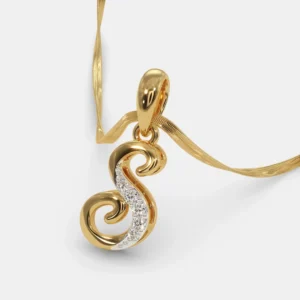
    In recent years, personalized gold diamond jewelry has taken the spotlight as a preferred choice for special gifts. Whether it’s for birthdays, anniversaries, engagements, or even baby showers, this form of jewelry has become the go-to option for those looking to give meaningful, luxurious, and timeless presents. 

    But what exactly has caused this surge in popularity? This article explores why personalized gold diamond jewelry is trending for special gifts, breaking down the reasons behind its rise and what makes it such a unique choice for gifting.

    The Appeal of Personalization

    Personalization adds a deeply meaningful touch to any gift. By customizing a piece of jewelry with names, initials, or significant dates, you are transforming it from a generic item into something that holds sentimental value.ย 

    This is a major reason why people are gravitating toward personalized jewelry for special occasionsโ€”it allows them to give a gift that feels exclusive and personal to the recipient.

    choosing personalized gold diamond jewelry

    Whether itโ€™s a necklace engraved with a loved oneโ€™s initials or a bracelet adorned with birthstones, personalization offers countless ways to create a unique and memorable piece. With the growing trend of giving thoughtful and emotionally meaningful gifts, personalized gold diamond jewelry stands out as an ideal option.

    The Timelessness of Gold and Diamonds

    Gold and diamonds have long been considered timeless symbols of luxury and sophistication. When you combine these two elements, you create a piece that exudes class and elegance. 

    Goldโ€™s durability ensures that the jewelry will last for decades, while diamondsโ€”often referred to as a “girlโ€™s best friend”โ€”add a sparkle that elevates the piece to another level.

    By choosing personalized gold diamond jewelry, you are not only giving a beautiful piece but also one that will stand the test of time. It is a gift that can be passed down through generations, making it even more special and significant.

    Sentimental Value Over Monetary Worth

    In todayโ€™s world, people are increasingly seeking gifts that are rich in meaning rather than just monetary value. Personalized gold diamond jewelry ticks both boxesโ€”it’s a luxurious, valuable item, but it also carries deep sentimental value. 

    Whether itโ€™s a custom-engraved ring or a pair of earrings set with the recipientโ€™s birthstone, the thought and care that go into creating the piece add emotional depth.

    This combination of luxury and sentiment makes it the perfect choice for those looking to give a heartfelt, memorable gift that will be cherished for years to come.

    personalized jewelry you gift

    A Reflection of Individual Style

    One of the biggest reasons personalized gold diamond jewelry is trending is its ability to reflect the individual style of the wearer. Everyone has their unique preferences when it comes to jewelry, and personalizing a piece allows you to tailor it specifically to the recipient’s tastes.

    From the type of goldโ€”be it yellow, white, or roseโ€”to the cut and setting of the diamonds, every detail can be customized to suit the person who will wear it. This ensures that the jewelry not only holds personal significance but also aligns with the recipientโ€™s style and personality.

    Versatility Across Occasions

    Personalized gold diamond jewelry is incredibly versatile, making it suitable for a wide range of special occasions. Whether youโ€™re celebrating a milestone birthday, an engagement, or the birth of a child, personalized jewelry can be adapted to fit the occasion perfectly.

    For example, a gold pendant engraved with a babyโ€™s birth date and set with a small diamond can be a beautiful gift for new mothers. On the other hand, a personalized diamond-studded bracelet could make the perfect anniversary gift. This adaptability makes it a popular choice for all types of celebrations.

    Celebrity Influence and Social Media

    The rise of personalized jewelry has also been fueled by celebrities and influencers. Many high-profile figures have been seen sporting customized pieces, further increasing their appeal. Social media platforms like Instagram and Pinterest have played a crucial role in showcasing these trends, with countless images of personalized gold diamond jewelry shared across the globe.

    When people see their favorite celebrities or influencers wearing unique, personalized pieces, it inspires them to do the same. As a result, more individuals are turning to personalized jewelry as a way to emulate these trends and make a style statement of their own.

    A Symbol of Thoughtful Gifting

    personalized gold diamond jewelry A Symbol of Thoughtful Gifting

    In an era where quick and impersonal gifts are becoming the norm, personalized gold diamond jewelry stands out as a symbol of thoughtfulness. The effort and time put into creating a customized piece demonstrate a level of care that isnโ€™t found in more generic gifts.

    For those looking to make a lasting impression and show how much they value the recipient, this type of jewelry is the perfect solution. It conveys that youโ€™ve thought carefully about the gift and chosen something that holds personal meaning, rather than simply picking up a mass-produced item.

    High Craftsmanship and Artistry

    Gold diamond jewelry, especially personalized pieces, showcases the artistry and craftsmanship of skilled jewelers. Creating a custom piece requires attention to detail and precision, particularly when setting diamonds or engraving intricate designs. 

    This level of craftsmanship adds to the allure of the jewelry, making it not only a beautiful gift but also a testament to the artistry involved in its creation.

    By gifting personalized gold diamond jewelry, youโ€™re also supporting these skilled artisans and their craft, making the gift even more special.

    Ideal for Milestone Moments

    Some occasions in life deserve an extra-special gift, and personalized gold diamond jewelry fits the bill perfectly for these milestone moments. Whether itโ€™s an engagement, a wedding, or a significant anniversary, custom jewelry can be designed to commemorate the event in a way that will be cherished for a lifetime.

    For example, an engagement ring featuring a personalized engraving or a wedding band studded with meaningful stones can add an extra layer of sentiment to these already significant life events. Personalized jewelry ensures that these moments are celebrated in the most memorable and unique way possible.

    A Sustainable Luxury Option

    Many people today are becoming more conscious about the environmental and ethical impact of their purchases. Gold and diamond jewelry can be sourced sustainably, and many jewelers now offer ethically sourced materials and eco-friendly practices in their creations.

    Choosing personalized gold diamond jewelry from a jeweler that prioritizes sustainability allows you to give a luxurious, high-quality gift while also supporting responsible business practices. This adds an extra layer of appeal for those who are mindful of their environmental footprint.

    Endless Customization Possibilities

    One of the best things about personalized jewelry is the virtually endless customization options available. You can choose everything from the type of gold (yellow, white, or rose), the size and cut of the diamonds, to the engraving style and additional gemstones.

    This level of customization ensures that the gift will be one-of-a-kind and tailored to the recipient’s preferences. Whether you want to include birthstones, important dates, or a personal message, the options are limitless.

    Long-Lasting Value and Durability

    Gold and diamonds are known for their long-lasting value and durability. Unlike other materials, gold doesnโ€™t tarnish, and diamonds are one of the hardest substances on Earth, making them highly resistant to damage. 

    This durability ensures that the personalized jewelry you gift will maintain its beauty and value for years to come.

    As a result, personalized gold diamond jewelry is not just a fashionable gift; itโ€™s a wise investment that can appreciate over time.

    Emotional Connection and Legacy

    Gifting personalized gold diamond jewelry often creates an emotional connection that goes beyond the material value of the item. These pieces often become family heirlooms, passed down from generation to generation. This adds a sense of legacy to the gift, making it a cherished item that holds both personal and familial significance.

    Whether itโ€™s a mother passing down a personalized bracelet to her daughter or a grandfather giving his custom-engraved watch to his grandson, these pieces carry with them stories, memories, and love.

    Personalized gold diamond jewelry gift

    Enhancing Special Occasions with Uniqueness

    Special occasions like weddings, anniversaries, and birthdays deserve to be marked with something as unique as the event itself. Personalized gold diamond jewelry does exactly that by offering a gift that stands out from the usual offerings. 

    Instead of buying a standard necklace or ring, you are giving a one-of-a-kind item that will remind the recipient of the special moment it represents.

    By adding a personal touch to the jewelry, youโ€™re ensuring that the gift will be remembered and treasured long after the occasion has passed.

    Conclusion: A Gift That Lasts a Lifetime

    Personalized gold diamond jewelry is trending for special gifts because it combines luxury, sentiment, and individuality in a way that few other gifts can. Itโ€™s a meaningful, lasting investment that holds both emotional and financial value. Whether itโ€™s for a wedding, anniversary, or another milestone, personalized jewelry is the perfect way to show someone just how much they mean to you.

    With endless customization options, sustainability considerations, and the ability to reflect personal style, itโ€™s no wonder that more people are choosing personalized gold diamond jewelry as their gift of choice for special occasions.
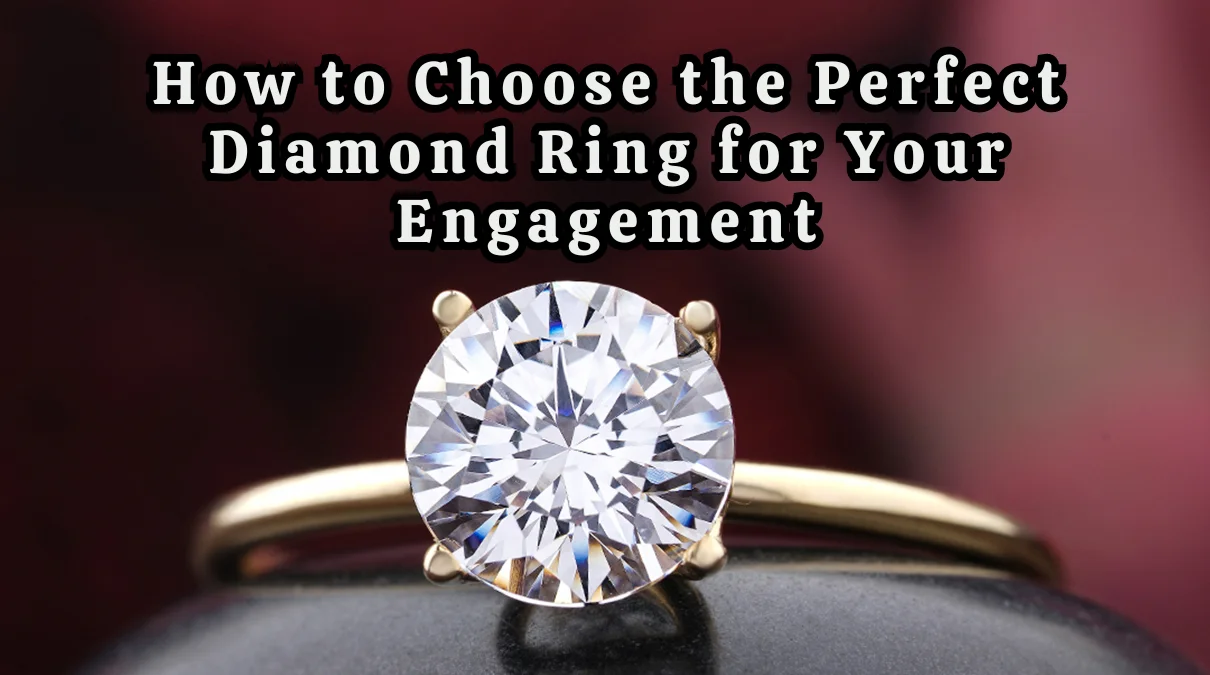
  • How to Choose the Perfect Diamond Ring for Your Engagement

    How to Choose the Perfect Diamond Ring for Your Engagement

    Choosing the perfect diamond ring for your engagement is an exciting but sometimes overwhelming experience. With so many options available, itโ€™s essential to understand the basics of diamonds, settings, and personal preferences. 

    In this guide, we will take you through every step to help you select the ideal diamond ring that suits your style, budget, and lifelong commitment.

    Introduction to Diamond Rings

    An engagement ring is one of the most symbolic purchases you’ll ever make. It signifies love, commitment, and a promise to spend a lifetime together. 

    Choosing the right diamond ring involves more than just picking a pretty one โ€“ it’s about finding a ring that matches both your style and your partnerโ€™s personality. 

    Whether you want a traditional diamond ring or something unique, understanding the basics will ensure you make an informed decision.

    Understanding the 4 Cs of Diamonds

    The 4 Cs โ€” cut, color, clarity, and carat โ€” are the foundation of choosing a diamond. These are the universal criteria jewelers use to determine a diamondโ€™s quality and value.

    4CS OF DIAMONDS

    Cut

    The cut of the diamond refers to how well it has been shaped and polished. A well-cut diamond reflects light beautifully, making it sparkle. The better the cut, the more brilliance and fire (colorful light flashes) the diamond will show. Ideal or excellent cuts are recommended for the most brilliance.

    Color

    Diamonds come in a variety of shades. The less color a diamond has, the higher its grade. Color is graded on a scale from D (colorless) to Z (noticeable color, usually yellow or brown). Most buyers prefer diamonds in the D-G range because they appear colorless to the naked eye and are more affordable than true D-grade diamonds.

    Clarity

    Clarity refers to how free a diamond is from internal flaws (inclusions) or surface imperfections (blemishes). The fewer inclusions a diamond has, the clearer and more valuable it is. Clarity is graded from FL (flawless) to I (included). VS1 and VS2 diamonds offer a great balance between clarity and price, as their imperfections are invisible to the naked eye.

    Carat

    Carat refers to the weight of the diamond. A higher carat means a larger, heavier diamond, but carat weight alone doesn’t determine the beauty of the stone. A well-cut smaller diamond can appear larger than a poorly cut, larger one.

    Choosing the Diamond Shape

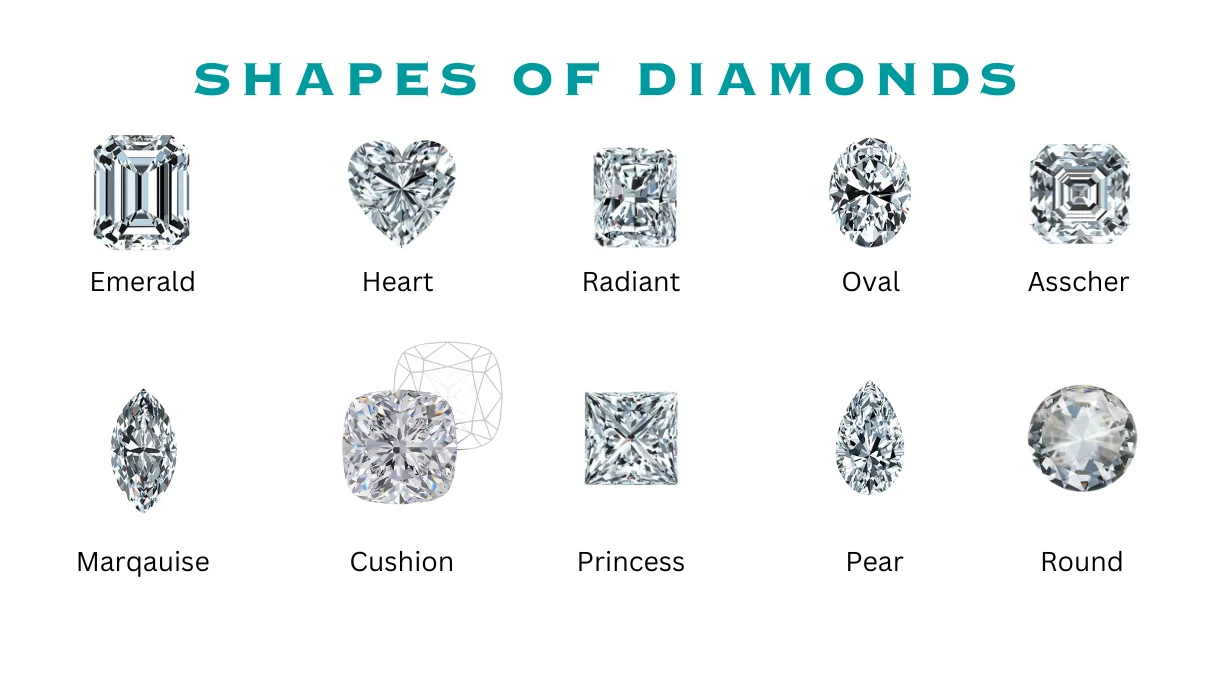
    Diamond shape is different from cut and refers to the actual form or outline of the diamond. Popular shapes include:

    Diamond Shapes
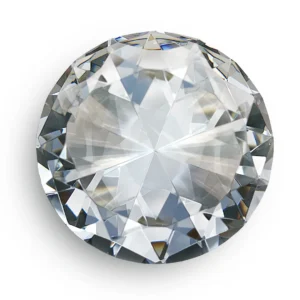
    • Round: Classic and brilliant, the round diamond maximizes sparkle.
    • Princess: A modern, square shape with sharp edges.
    • Oval: Elongated and elegant, it can make fingers appear longer.
    • Cushion: Soft, rounded corners give this square shape a vintage look.
    • Emerald: Rectangular with step cuts, offering a sophisticated appearance.
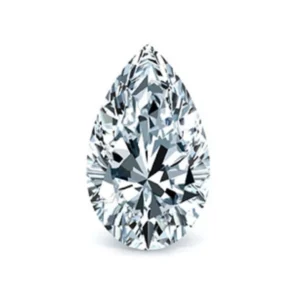
    • Marquise: An elongated shape with pointed ends, maximizing carat weight.

    Choosing the right shape is often about personal preference. Some people prefer the traditional round diamond, while others may want a unique shape like pear or marquise.

    Types of Diamond Settings

    The setting is how the diamond is placed into the band. It plays a key role in the ring’s appearance and security.

    Diamond engagement ring Settings

    Prong Setting

    The most common setting, prongs are small metal claws that hold the diamond securely. This setting allows maximum light to hit the diamond, enhancing its sparkle.

    Bezel Setting

    A bezel setting surrounds the diamond with a metal rim. Itโ€™s a great choice for those with an active lifestyle since it protects the diamond better than other settings.

    Pavรฉ Setting

    Small diamonds are embedded into the band of the ring, giving the illusion of a diamond-encrusted surface. Itโ€™s a delicate and stunning option that adds sparkle.

    Halo Setting

    A halo setting features a center diamond surrounded by a circle of smaller diamonds, which can make the center stone appear larger.

    Metal Choices for Engagement Rings

    The metal you choose for the ring band will affect both the look and durability of the engagement ring. Popular metals include:

    Gold

    • Yellow Gold: Traditional and timeless.
    • White Gold: Offers a contemporary look similar to platinum.
    • Rose Gold: A romantic and trendy option.

    Platinum

    Platinum is a durable and hypoallergenic metal. It has a natural white sheen and doesnโ€™t tarnish easily, making it a popular but more expensive option.

    Silver

    Silver is less durable than gold or platinum but offers an affordable option with a classic look.

    Diamond Certification and Why Itโ€™s Important

    Always buy a certified diamond to ensure you’re getting the quality you paid for. The most trusted certification comes from organizations like the GIA (Gemological Institute of America) and AGS (American Gem Society). These certificates verify the diamondโ€™s authenticity and provide detailed information about its 4 Cs, helping you make a confident purchase.

    Also Read: How to Tell if a Diamond is Real or Fake- Real Guide

    Understanding Your Budget

    Determining your budget before you start shopping will make the process easier and more enjoyable. A common rule of thumb suggests spending two to three months of your salary on an engagement ring, but this isnโ€™t a hard rule. Itโ€™s important to spend within your means and choose a ring that feels right for you and your partner.

    Also Read: How Much Should You Spend on a Wedding Ring?

    Popular Diamond Ring Styles

    Your diamond ringโ€™s style should reflect your partnerโ€™s personality and taste. Here are some popular styles to consider:

    Solitaire

    A single diamond on a simple band. Timeless and elegant.

    Three-Stone

    Three diamonds, often symbolizing the past, present, and future.

    Vintage

    Incorporates antique designs and intricate detailing for a timeless look.

    Modern

    Sleek, minimalist designs with contemporary elements like tension settings.

    Considering the Wedding Band

    While shopping for an engagement ring, consider how it will pair with a wedding band. Some engagement rings are designed to fit flush with a wedding band, while others may require a custom band.

    Also Check: Perfect Match: Finding the Wedding Band that Complements Your Engagement Ring

    Personalising the Ring

    Personal touches can make the ring even more special. Some ways to personalize include:

    • Custom Engravings: Add a meaningful message inside the band.
    • Unique Design Elements: Choose a custom design that represents a shared interest or memory.

    Where to Buy: Local Jeweler vs. Online

    You can buy an engagement ring from a local jeweler or through reputable online stores. Both options have their pros and cons:

    • Local Jeweler: Allows you to see the ring in person and develop a relationship with the jeweler.
    • Online: Offers a wider selection and sometimes better prices. Just make sure the retailer offers certification and a good return policy.

    Insuring Your Engagement Ring

    Once youโ€™ve purchased the perfect ring, itโ€™s essential to insure it. Insurance protects against theft, loss, or damage, giving you peace of mind.

    Conclusion: Making the Right Choice

    Choosing the perfect diamond ring for your engagement is a meaningful process that requires thought and consideration. By understanding the 4 Cs, selecting the right shape and setting, and keeping your budget in mind, you can find a ring that symbolizes your love and commitment. Take your time, do your research, and make the decision that feels right for you and your partner.

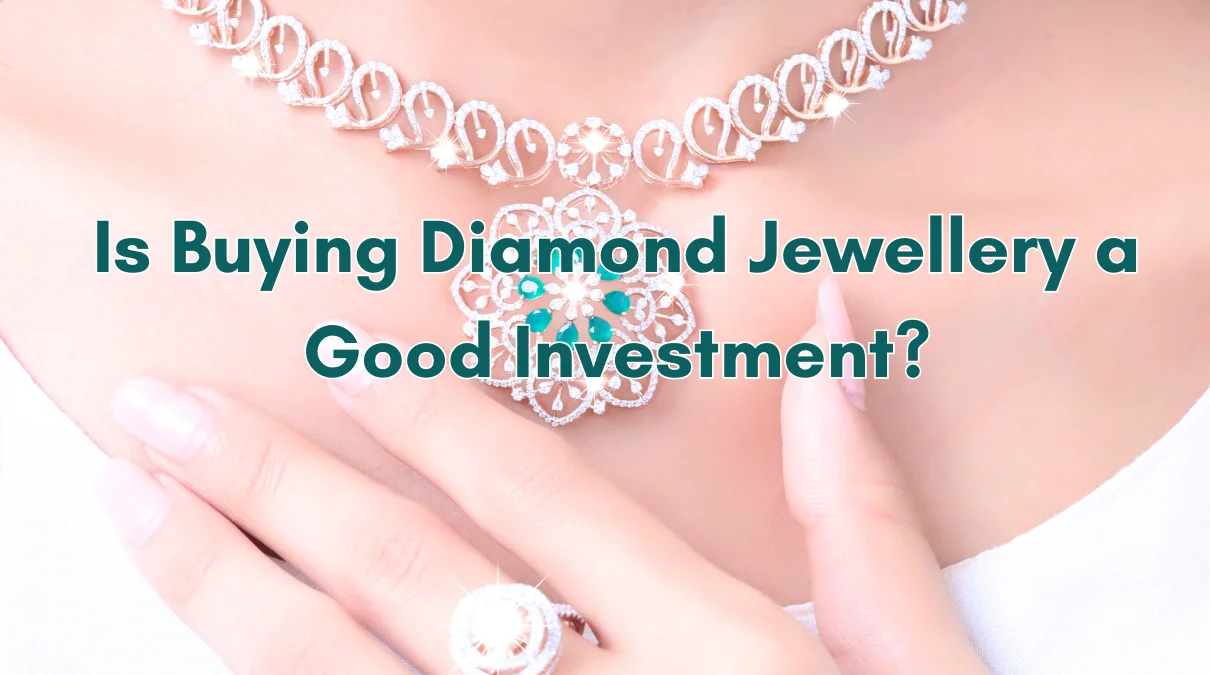
  • Is Buying Diamond Jewellery a Good Investment?

    Is Buying Diamond Jewellery a Good Investment?

    When it comes to investments, most people think of stocks, bonds, real estate, or even gold. However, for some, the idea of buying diamond jewelry as an investment may seem both appealing and glamorous. But is it a good investment? In this article, we will explore the pros and cons of investing in diamond jewelry, analyze its potential for long-term financial growth, and discuss the factors one should consider before making a purchase.

    Introduction to Diamond Jewellery Investment

    Diamonds have long been associated with luxury, elegance, and wealth. For centuries, they have symbolized status and power, often gifted during significant life events such as engagements and anniversaries. Yet, beyond their emotional and aesthetic appeal, diamonds are sometimes considered as a form of financial investment.

    But are they as reliable as traditional assets like real estate or stocks? To answer this, we need to delve deeper into the dynamics of the diamond market and how it behaves compared to other investment avenues.

    Understanding the Value of Diamonds

    Unlike commodities such as gold, the value of diamonds is not determined by a standardized global price. Instead, a diamond’s value depends on several characteristics, often referred to as the “4 Cs”: Cut, Carat, Color, and Clarity. Each of these attributes plays a crucial role in determining a diamondโ€™s price.

    Value of Diamonds
    • Cut: Refers to how well the diamond is shaped and faceted. A better cut enhances the diamondโ€™s brilliance and can significantly impact its value.
    • Carat: This measures the diamondโ€™s weight. Larger diamonds are rare and hence more valuable, but two diamonds of the same weight can differ in value based on other factors.
    • Color: Diamonds are graded from colorless to yellow. Colorless diamonds are generally more desirable and fetch a higher price.
    • Clarity: Measures the absence of inclusions or blemishes. The fewer imperfections a diamond has, the higher its value.

    These factors combined determine the price of individual diamonds, making it important for potential investors to thoroughly understand the grading system before purchasing.

    Factors That Affect Diamond Prices

    In addition to the 4 Cs, the market price of diamonds can fluctuate based on external factors such as:

    • Market Demand and Supply: The demand for diamonds can vary with economic conditions, cultural trends, and the rise of synthetic alternatives. The availability of natural diamonds is limited, but the discovery of new mines can affect prices.
    • Global Economic Climate: As with any luxury good, diamonds are affected by broader economic factors. In times of economic instability, demand for luxury items like diamonds may decline, affecting their resale value.

    Is Diamond Jewellery a Liquid Investment?

    One important aspect of any investment is liquidity โ€“ the ease with which you can sell an asset. Diamond jewelry, unlike stocks or bonds, is not a liquid investment. 

    Is Diamond Jewellery a Liquid Investment

    While you can sell diamonds, the process is often more complicated, involving appraisals, and there is no guarantee you will get a price close to what you initially paid. The retail markup on diamonds is usually high, meaning you may lose money if you attempt to resell them in the short term.

    Historical Perspective: Do Diamonds Appreciate Over Time?

    Historically, diamonds have appreciated at a slow rate, and in some cases, their prices have remained stagnant for years. Unlike gold or silver, which are actively traded commodities, diamonds do not have a universally recognized exchange or standardized pricing. 

    While rare and unique diamonds can see significant appreciation, this is not the norm for most stones, especially if purchased as jewelry rather than loose diamonds.

    Comparing Diamonds with Traditional Investments

    Diamonds vs. Gold

    Diamonds vs. Gold

    Gold is often seen as a “safe haven” investment during times of economic uncertainty because it holds intrinsic value and is widely recognized as a store of wealth. Diamonds, on the other hand, are considered luxury items, and their value is more subjective. While both are tangible assets, gold tends to be more liquid and has a more consistent track record of appreciation.

    Diamonds vs. Stocks and Bonds

    Unlike stocks and bonds, which can generate income through dividends or interest, diamonds do not produce any regular returns. They are a form of speculative investment, with their value depending solely on market demand at the time of sale.

    Pros of Investing in Diamond Jewellery

    While there are risks, there are also potential advantages to investing in diamond jewelry:

    • Tangibility and Aesthetic Value: Diamonds are physical assets, and unlike digital or paper investments, you can wear and enjoy them.
    • Emotional and Sentimental Worth: Diamonds often carry emotional value, especially if they are part of a family heirloom. This sentimental worth can sometimes overshadow the financial return on investment.

    Cons of Investing in Diamond Jewellery

    However, investing in diamond jewelry comes with several downsides:

    • High Transaction Costs: When you buy diamond jewelry, you often pay a significant markup, which includes the cost of the setting, craftsmanship, and retail expenses. This can make it difficult to recoup your investment if you sell the piece.
    • Depreciation Risks: If a diamond is not of exceptionally high quality, it may not appreciate significantly, and its resale value could be lower than the original purchase price.

    How to Assess the Quality of a Diamond Investment

    For those seriously considering diamonds as an investment, understanding how to assess the quality is essential. Start by obtaining a diamond with certification from reputable organizations such as the Gemological Institute of America (GIA).

    Consider factors like rarity, color grade, and overall market trends. Itโ€™s also important to consult with professionals before making a large investment in diamonds.

    Buying Diamonds as a Hedge Against Inflation

    Some investors view diamonds as a hedge against inflation, believing that they will retain their value over time as currencies fluctuate. However, the lack of standardization and the subjective nature of diamond pricing make this a less reliable strategy compared to commodities like gold.

    Diamond Jewellery as a Legacy Investment

    Many people buy diamond jewelry as a long-term legacy investment, intending to pass it down to future generations. In this case, the financial return may be less important than the sentimental and emotional value. 

    High-quality, well-maintained diamonds can indeed be treasured for decades, and their value may increase over time, especially if they become family heirlooms.

    Common Myths About Diamond Investments

    • “Diamonds Always Appreciate in Value”: Not all diamonds increase in value. Many may lose value when resold.
    • “Bigger is Better”: A large diamond does not always equate to a better investment. Quality is often more important than size.

    How to Store and Maintain Diamond Jewellery

    Proper storage and maintenance are critical to preserving the value of diamond jewelry. Ensure that the pieces are stored in a dry, secure place, ideally in a soft, padded case to prevent scratches. 

    Regular cleaning and professional inspections can help maintain the brilliance and structural integrity of the diamond.

    Expert Opinions: Is Diamond Jewellery a Good Investment?

    Most financial experts agree that while diamond jewelry can be a part of a diversified investment portfolio, it should not be relied upon as a primary investment vehicle. 

    The high costs of buying, storing, and reselling diamonds, along with the uncertainties of market demand, make them a risky investment compared to other more liquid and income-generating assets.

  • What Hand Does a Man Wear His Wedding Ring?

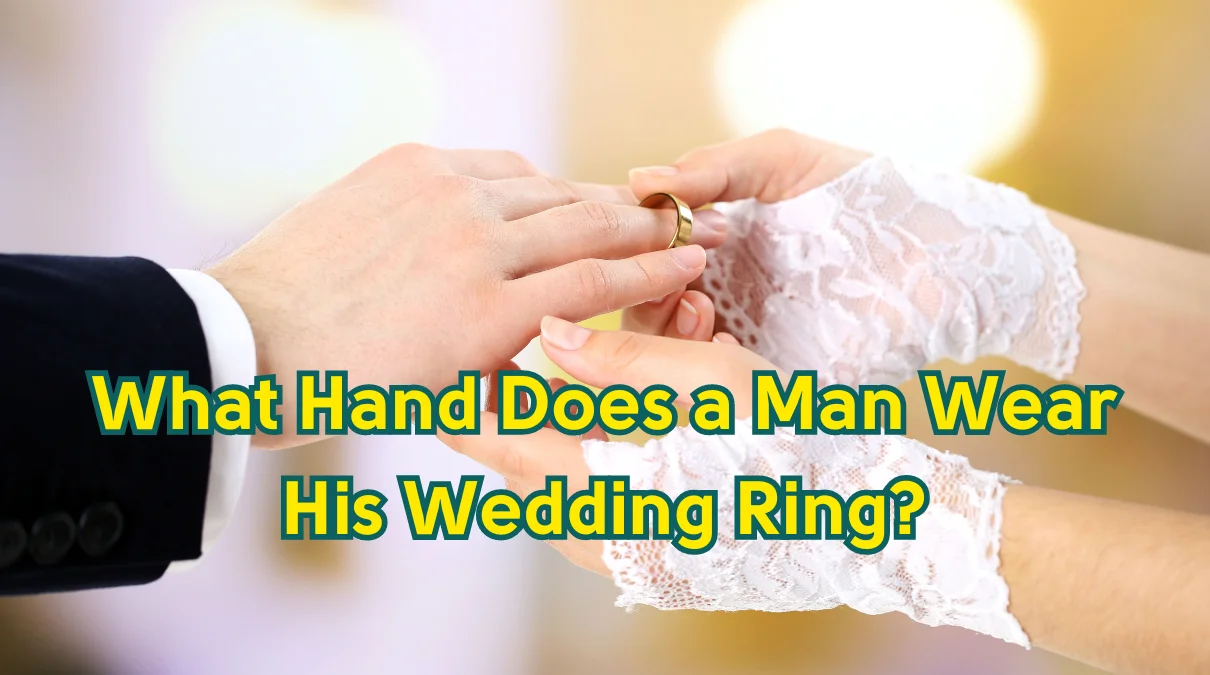
    What Hand Does a Man Wear His Wedding Ring?

    Weddings are filled with tradition, symbols, and customs that differ across cultures and societies. One of the most universally recognized symbols of marriage is the wedding ring. Yet, a common question arises for many people: What hand does a man wear his wedding ring on?ย 

    The answer, while seemingly simple, can vary based on tradition, culture, and personal preference. In this article, weโ€™ll explore the common practices related to where men wear their wedding rings, the historical context behind this, and the different factors that might influence their choice.

    History of Wedding Rings: A Brief Overview

    Before diving into the specifics of which hand the ring is worn on, it’s important to understand the history of wedding rings. Rings have long been a symbol of eternity, thanks to their circular shape, which has no beginning or end. 

    They are believed to date back to ancient Egypt, where couples would exchange rings made from reeds or hemp. Over time, wedding rings evolved into the precious metal bands we know today.

    The exchange of rings became a significant part of marriage ceremonies in many cultures, representing the unbreakable bond of love and commitment. The placement of the wedding ring on the hand also holds symbolic meaning, though these meanings can differ by culture and religion.

    Common Hand for Mens Wedding Rings in Western Cultures

    Common Hand for Menโ€™s Wedding Rings in Western Cultures

    In most Western cultures, men traditionally wear their wedding rings on the left hand. 

    This practice dates back to an ancient Roman belief that a vein, often referred to as the “vena amoris” (meaning “vein of love”), ran directly from the fourth finger on the left hand to the heart. 

    Although modern science has debunked this anatomical idea, the tradition persists, particularly in countries like the United States, Canada, the UK, and Australia.

    For men in these regions, the fourth finger on the left hand, commonly known as the “ring finger,” is the most accepted spot for the wedding band. 

    This placement reflects not just tradition but also a sense of continuity with the past, linking generations through this simple yet profound gesture.

    Wedding Ring Placement in Other Cultures

    While wearing the wedding ring on the left hand is common in many parts of the world, this isnโ€™t a universal practice. Some countries and cultures follow different customs when it comes to ring placement.

    1. Right Hand Tradition

    In several cultures, particularly in Eastern Europe, Germany, Russia, and India, men wear their wedding rings on the right hand. This practice stems from various religious and cultural beliefs. For instance, in Orthodox Christianity, the right hand is considered more dominant and sacred, which is why rings are placed there.

    In these countries, the right ring finger is seen as a symbol of strength and honor, and the wedding ring serves as a testament to the husband’s devotion to his marriage. This tradition is also seen in countries like Norway, Denmark, Poland, and Spain, where the right hand is the more common choice.

    2. Cultural Variations in Hand Placement

    Interestingly, some men choose to switch hands depending on life events. For example, in some Greek Orthodox traditions, couples may start by wearing the ring on the right hand during the engagement but move it to the left hand after the wedding ceremony.

    Similarly, in Brazil, it is customary for the groom to wear his wedding ring on the right hand during the engagement and switch it to the left after marriage.

    Religious Influence on Ring Placement

    Religion can play a significant role in determining which hand a man wears his wedding ring on. As mentioned earlier, in Orthodox Christian traditions, the right hand is seen as more significant. On the other hand, many Catholic ceremonies follow the left-hand tradition, which aligns with the common practice in many Western cultures.

    In Jewish weddings, it is often the case that the wedding ring is placed on the index finger of the right hand during the ceremony, though some men move the ring to the ring finger on the left hand afterward. These practices highlight how deeply intertwined religion and cultural customs are in determining ring placement.

    Personal Choice and Modern Trends

    In todayโ€™s world, many men choose where to wear their wedding ring based on personal preference rather than strict adherence to tradition. Some may select the hand that feels more comfortable or practical, especially if their dominant hand plays a role in work or hobbies. For instance, a left-handed man might prefer to wear his ring on his right hand to avoid wear and tear or discomfort.

    Moreover, modern trends have seen couples opting for matching rings or deciding together where they want to wear their wedding bands, free from cultural or religious obligations. This approach emphasizes the growing importance of individuality and personal expression in marriage traditions today.

    Alternative Ways of Wearing Wedding Rings

    In addition to wearing the wedding ring on the ring finger, some men prefer to wear their wedding bands in other ways due to lifestyle or occupational reasons. For instance, men who work with heavy machinery or in jobs where wearing a ring could be unsafe might choose to wear their rings on a necklace.

    This alternative ensures that the symbolism and connection of the wedding ring remain intact, while avoiding potential hazards that come with wearing a ring on the hand.

    What If a Man Doesnโ€™t Wear a Wedding Ring?

    Interestingly, not all men wear wedding rings. This could be due to personal choice, cultural differences, or even occupational hazards, as mentioned earlier. Some men prefer to express their commitment in other ways or may simply not enjoy wearing jewelry. In such cases, the absence of a ring does not necessarily reflect a lack of commitment or love for their partnerโ€”it can simply be a matter of personal comfort.

    Conclusion

    The question, โ€œWhat hand does a man wear his wedding ring on?โ€ doesnโ€™t have a one-size-fits-all answer. The choice of which hand to wear the ring on is shaped by a mix of tradition, culture, religion, and personal preference. In many Western countries, the left hand is the traditional choice, while in other regions, such as parts of Europe and India, the right hand is preferred.

    Ultimately, whether itโ€™s worn on the left or right handโ€”or even on a necklaceโ€”the wedding ring remains a deeply personal symbol of love, commitment, and unity in a marriage.

  • The 5 C’s of Diamonds Explained: Choosing the Perfect Engagement Ring

    The 5 C’s of Diamonds Explained: Choosing the Perfect Engagement Ring

    Diamonds are often regarded as the ultimate symbol of love and commitment. When selecting an engagement ring, the diamond at its center serves as both a personal expression and a lasting treasure. The process, however, can be daunting. To ensure that you choose the perfect diamond, understanding the “5 Cโ€™s of Diamonds” is crucial. These five elements โ€“ Cut, Color, Clarity, Carat, and Certification โ€“ will help you evaluate a diamondโ€™s quality, beauty, and value.

    In this comprehensive guide, weโ€™ll walk you through each of the 5 Cโ€™s in detail and provide tips for making an informed decision, ensuring that the diamond you select is not only breathtaking but also represents a smart investment.


    #1. Cut: The Key to a Diamondโ€™s Sparkle

    The cut of a diamond is often considered the most important of the 5 Cโ€™s. It determines how well the diamond reflects light, giving it that signature sparkle or brilliance. Many people confuse cut with shape (like round, oval, or pear), but the cut actually refers to how well the facets of a diamond are proportioned and polished.

    Why Cut Matters

    The cut is responsible for the way light travels through the diamond, creating its fire (rainbow flashes) and brilliance (white light reflection). A poor cut will make even a colorless diamond appear dull, whereas a well-cut diamond can look larger and more brilliant than it is.

    shapes of diamond

    Cut Grades

    Diamonds are graded by their cut on a scale from Excellent to Poor:

    • Excellent: Maximum brilliance and sparkle, ideal for engagement rings.
    • Very Good: Excellent light performance with slight variations.
    • Good: Decent brilliance but not as reflective.
    • Fair & Poor: Significantly less sparkle and fire due to poor proportions.

    Tips for Choosing a Cut

    • Round Brilliant cuts are often the most sparkling and universally flattering.
    • If sparkle is a priority, consider investing more in cut over carat weight.
    • Fancy shapes (e.g., princess, cushion, or emerald) offer unique beauty and often come at a lower price per carat compared to round diamonds.

    #2. Color: The Absence of Color

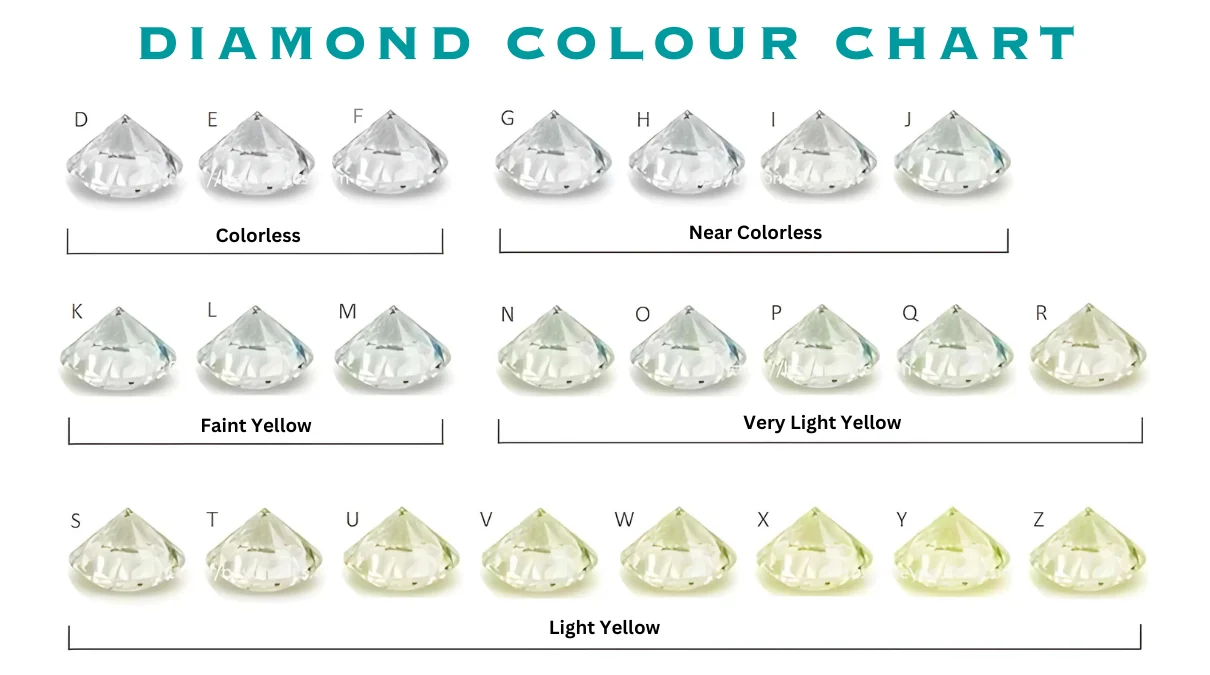
    The color of a diamond refers to the amount of yellowish tint within the stone. The best diamonds are colorless, allowing more light to pass through and enhancing their brilliance. The color scale runs from D (completely colorless) to Z (noticeable yellow or brown tint).

    diamonds colour chart

    Color Grading System

    • D-F: Colorless โ€“ The highest grade, rare and the most expensive.
    • G-J: Near colorless โ€“ Slight color but still appears colorless to the naked eye.
    • K-M: Faint color โ€“ Noticeable color visible in larger diamonds or under magnification.
    • N-Z: Very light to light color โ€“ Clearly visible color, often seen in lower-quality diamonds.

    How to Balance Color and Budget

    • Most engagement ring buyers find that diamonds in the G-H range offer the perfect balance of near-colorlessness and affordability.
    • K-M diamonds can still look stunning in yellow or rose gold settings, as the metal’s warmth complements the diamondโ€™s hue.

    Tips for Color Choice

    • If you are setting the diamond in white gold or platinum, aim for a color grade of D-H to avoid any noticeable yellow tint.
    • Diamonds that are smaller or less exposed (like those in a halo setting) can often get away with lower color grades, making them a good budget-friendly option.

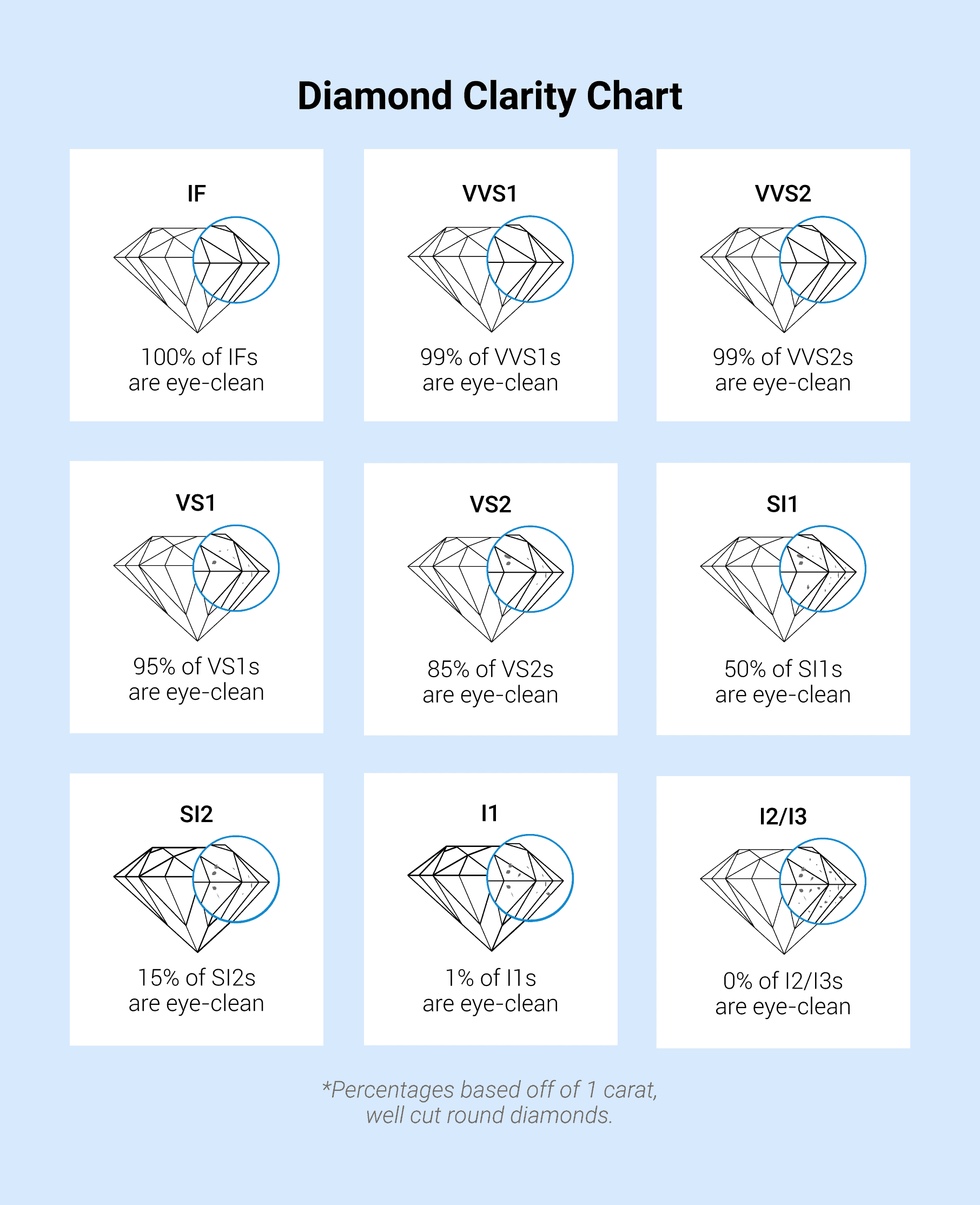
    #3. Clarity: The Purity of the Diamond

    Clarity measures the internal flaws (inclusions) and external blemishes of a diamond. Most inclusions are not visible to the naked eye but can impact the diamondโ€™s overall brilliance and value.

    Diamonds Clarity chart

    Clarity Grading Scale

    • Flawless (FL): No inclusions or blemishes visible under 10x magnification.
    • Internally Flawless (IF): No inclusions, only minor blemishes visible under magnification.
    • Very Slightly Included (VVS1, VVS2): Extremely difficult to see even under magnification.
    • Very Slightly Included (VS1, VS2): Minor inclusions, difficult to see without magnification.
    • Slightly Included (SI1, SI2): Inclusions visible under magnification, sometimes visible to the naked eye.
    • Included (I1, I2, I3): Obvious inclusions that may affect brilliance and durability.

    Tips for Choosing Clarity

    • VS1 and VS2 diamonds offer the best balance of value and appearance, as inclusions are difficult to see with the naked eye.
    • SI1 diamonds are a great option for budget-conscious buyers, as they can appear flawless to the naked eye when well-cut.
    • Avoid I grade diamonds for engagement rings, as the inclusions can affect both appearance and durability.

    #4. Carat: The Diamondโ€™s Weight

    Carat refers to the weight of the diamond, not its size. One carat is equivalent to 0.2 grams. Larger diamonds are rarer, making carat weight one of the biggest factors in a diamondโ€™s price.

    Understanding Carat

    • 1.00 carat diamonds are highly sought after, but the average size for an engagement ring diamond is between 0.50 and 1.50 carats.
    • Carat weight alone does not determine a diamondโ€™s beauty. A smaller, well-cut diamond can appear more brilliant than a larger, poorly cut one.

    Tips for Carat Selection

    • Visual size matters: Diamonds with larger table surfaces (like an emerald cut) can appear larger than a round brilliant of the same weight.
    • Consider the ringโ€™s setting; a halo or other intricate design can make a smaller diamond look larger.
    • If youโ€™re on a budget, aim for a diamond thatโ€™s slightly under whole carat sizes (like 0.95 carats instead of 1.00). These diamonds often come at a significant discount without a noticeable size difference.

    #5. Certification: The Diamondโ€™s Authenticity and Quality Assurance

    A diamond’s certification is the fifth and often overlooked “C.” It is an official document from a gemological lab that verifies the diamond’s quality based on the first four Cโ€™s.

    Popular Certification Bodies

    • GIA (Gemological Institute of America): The most trusted and respected grading authority.
    • AGS (American Gem Society): Known for strict grading standards.
    • IGI (International Gemological Institute): Commonly used by jewelry retailers.
    • EGL (European Gemological Laboratory): Often grades diamonds slightly more leniently than GIA or AGS.

    Why Certification Matters

    • A diamondโ€™s certification gives you peace of mind that youโ€™re getting what you pay for.
    • Certifications from reputable labs ensure that the diamond’s attributes are accurately represented, protecting you from overpaying.

    Tips for Choosing Certified Diamonds

    • Always purchase a diamond that comes with a certification from a trusted lab like GIA or AGS.
    • Avoid diamonds without certification or from less-reputable labs, as these often misrepresent the stoneโ€™s quality.

    guide to choosing best diamond engagement ring

    FAQs on Choosing the Perfect Engagement Ring

    1. What is the most important C in the 5 Cโ€™s of diamonds? 

    –> The cut is often considered the most important factor, as it directly influences the diamondโ€™s brilliance and sparkle.

    2. Does a higher carat mean a better diamond? 

    –> Not necessarily. While carat weight impacts the diamondโ€™s size, its cut, clarity, and color are just as important in determining overall beauty and value.

    3. How can I maximize my budget when choosing a diamond? 

    –> To get the most value for your money, prioritize cut and choose diamonds slightly below whole carat sizes (e.g., 0.9 instead of 1.0 carats).

    4. Should I buy a diamond with visible inclusions? 

    –> If the inclusions are not visible to the naked eye, choosing a lower clarity grade can be a great way to save money.

    5. Which diamond shape gives the most sparkle? 

    –> The round brilliant cut is the most popular shape for maximizing sparkle due to its 58 precisely cut facets.

    6. Is a GIA certification necessary?

    –> A GIA certification is highly recommended as it ensures that the diamondโ€™s quality is accurately represented.


    Conclusion

    Understanding the 5 Cโ€™s of diamonds โ€“ Cut, Color, Clarity, Carat, and Certification โ€“ equips you with the knowledge needed to select the perfect diamond engagement ring. By carefully evaluating these factors and balancing them with your budget, you can find a beautiful, high-quality diamond that symbolizes your commitment and love for years to come.

    For those looking to make a smart investment, never underestimate the importance of certification, and always prioritize a well-cut diamond for maximum brilliance.

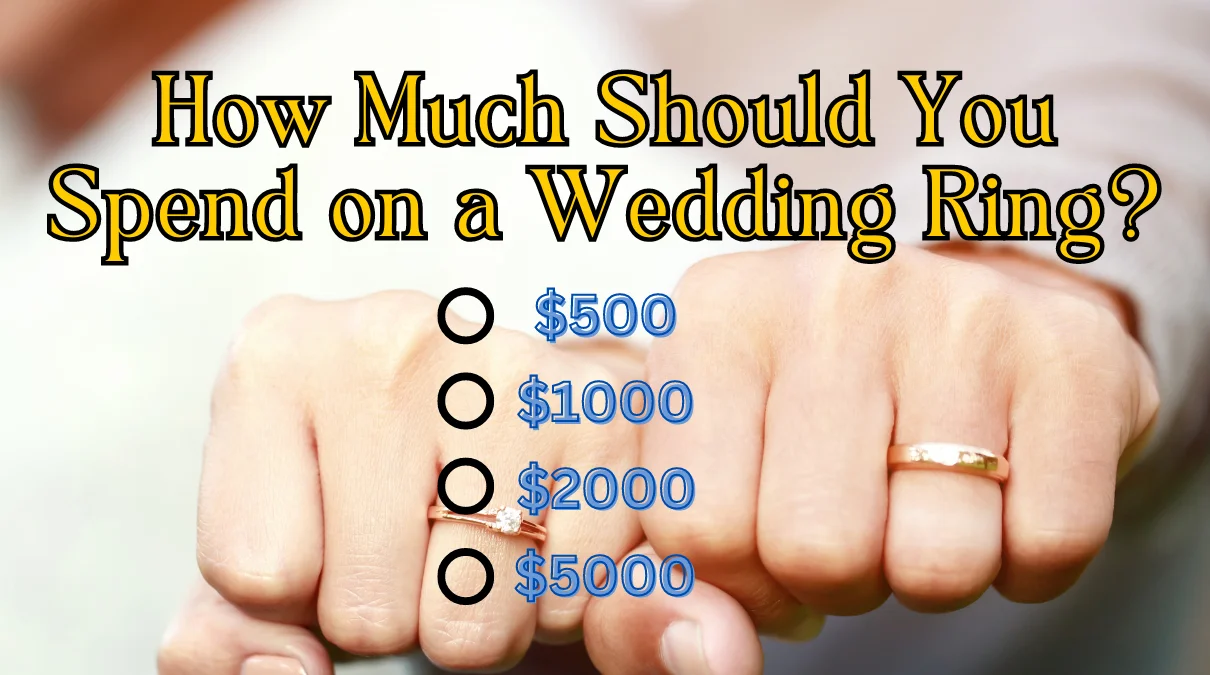
  • How Much Should You Spend on a Wedding Ring?

    How Much Should You Spend on a Wedding Ring?

    Getting married is one of the most significant milestones in life. Along with planning the wedding, choosing the right wedding ring is an important decision that couples must make. Wedding rings symbolise love, commitment, and the eternal bond between partners. One of the most common questions is: How much should you spend on a wedding ring?

    This article will guide you through various aspects of choosing the perfect wedding ring, from cost considerations to tips for selecting one that fits your budget.

    How Much Should a Wedding Ring Cost?

    There is no one-size-fits-all answer to this question. The cost of a wedding ring can vary widely depending on several factors, such as:

    1. Material: Gold, platinum, or other precious metals come with varying price points.
    2. Design: Custom designs or rings with intricate patterns are often more expensive.
    3. Stones: Adding diamonds or other gemstones can significantly increase the cost.

    On average, a plain gold wedding band might cost anywhere from $500 to $1,500. Platinum rings tend to be more expensive, ranging from $1,000 to $3,000 or more. Adding diamonds or intricate designs can raise the price even higher, with some custom rings costing upwards of $5,000 or more.

    Itโ€™s essential to set a budget before shopping for a wedding ring to avoid spending more than you are comfortable with.

    Who Buys the Wedding Rings?

    Traditionally, the groom buys the bride’s wedding ring, and the bride buys the groom’s ring. However, in modern times, many couples choose to split the cost of both rings or make the purchase together as a shared decision. It’s a personal choice, and thereโ€™s no right or wrong approach. Some couples may even forgo this tradition altogether and focus on picking rings that fit their style and budget rather than who pays for them.

    2

    How Much Should a Man Spend on a Wedding Ring?

    The cost of a manโ€™s wedding ring depends on his preferences and the material of the ring. Most menโ€™s wedding bands are simpler than women’s, which makes them generally more affordable. On average, a man might spend between $300 to $1,500 for a ring made of materials like gold, titanium, or tungsten.

    A simple gold band could be on the lower end, while a platinum ring or one with a unique design can push the cost higher. The key is to select a ring that reflects personal style while staying within a reasonable budget.

    How Much Should a Woman Spend on a Wedding Ring?

    Womenโ€™s wedding rings tend to cost more due to the variety of options available, including diamond or gemstone settings. The amount a woman spends on a wedding ring largely depends on her style and preferences. On average, a woman might spend between $1,000 and $4,000 on her wedding ring, though itโ€™s not uncommon for high-end rings to cost even more.

    Factors that can increase the price include the type of metal, whether the ring is customized, and the size and quality of any diamonds or other stones.

    What Is a Good Budget for a Wedding Ring?

    When setting a budget for a wedding ring, itโ€™s crucial to consider both your financial situation and your expectations. Many financial experts recommend spending no more than 5% of your total wedding budget on the rings. For example, if your total wedding budget is $20,000, then a ring budget of around $1,000 per ring would be reasonable.

    Itโ€™s also important to consider future expenses and avoid overspending on the ring at the cost of other financial priorities, such as saving for a house or honeymoon.

    How to Choose the Right Ring for Your Budget

    Choosing the right wedding ring within your budget can be a challenge, but here are some tips to help you make the best decision:

    1. Set a Realistic Budget

    Start by assessing your finances and decide how much youโ€™re willing to spend on the ring. Itโ€™s helpful to discuss this with your partner to ensure youโ€™re on the same page.

    2. Consider Alternative Metals

    Gold and platinum are popular choices, but other metals like titanium, tungsten, and sterling silver are more affordable options. These materials are also durable and stylish, making them great for people who want a modern look at a lower cost.

    3. Choose a Simple Design

    While elaborate designs and diamond-studded bands are beautiful, they can quickly increase the price of a ring. Opting for a simpler band without additional stones can keep costs down while still giving you a classic and timeless look.

    4. Go for Smaller or Fewer Diamonds

    If you want diamonds on the wedding ring but are worried about cost, consider choosing a ring with smaller or fewer diamonds. A ring with smaller stones can still sparkle and look stunning without the hefty price tag of larger gems.

    5. Shop Around

    Prices for wedding rings can vary greatly depending on where you shop. Take your time to compare prices from different retailers, both in-store and online, to ensure you’re getting the best deal. Shopping during sales or events like Black Friday can also help you save money.

    6. Look for Financing Options

    If youโ€™ve found the perfect ring but itโ€™s just outside of your budget, consider asking the jeweler about financing options. Many jewelry stores offer payment plans, which allow you to spread out the cost over several months or years.

    7. Consider Vintage or Pre-Owned Rings

    Buying a vintage or second-hand ring can save you a lot of money while still offering a unique and beautiful option. Many jewelers sell certified pre-owned rings that are just as stunning as new ones but at a fraction of the cost.

    Conclusion

    When it comes to wedding rings, the amount you spend is a personal choice. Whether youโ€™re looking for something luxurious or a more affordable option, the key is to select a ring that fits both your budget and your style. With careful planning and smart shopping, you can find a ring that symbolizes your love without breaking the bank.

    Remember, a wedding ring is a token of your commitment, and its value comes not from the price tag but from the meaning it holds.

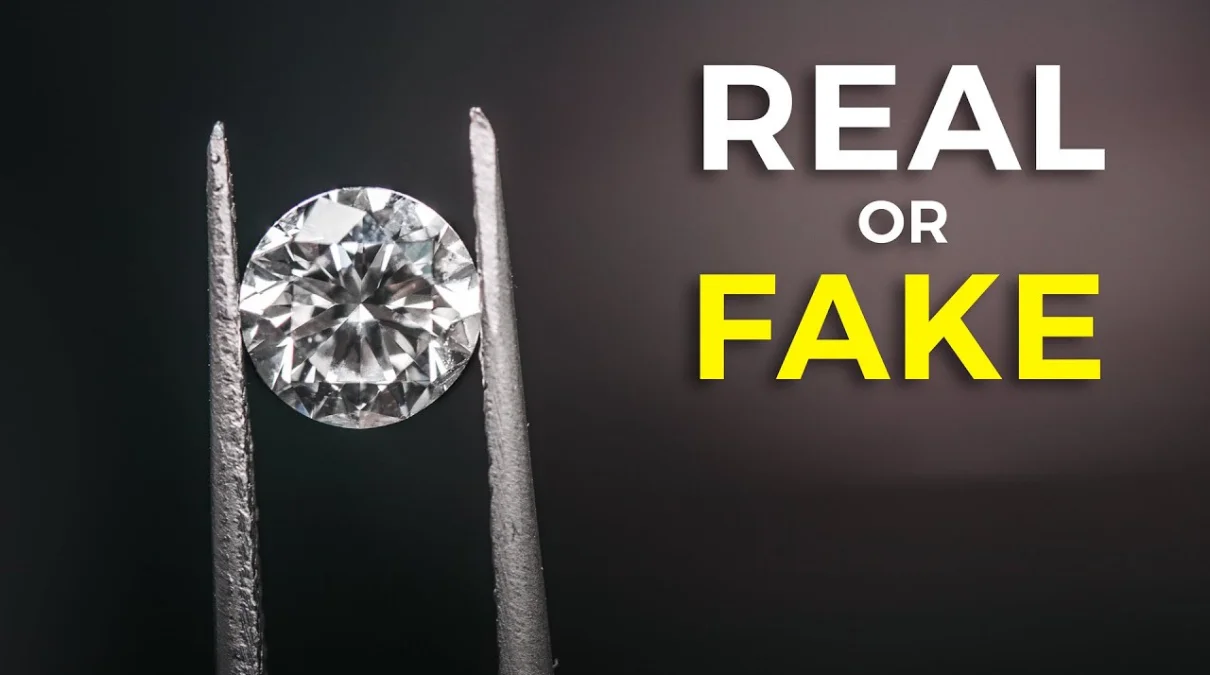
  • How to Tell if a Diamond is Real or Fake- Real Guide

    How to Tell if a Diamond is Real or Fake- Real Guide

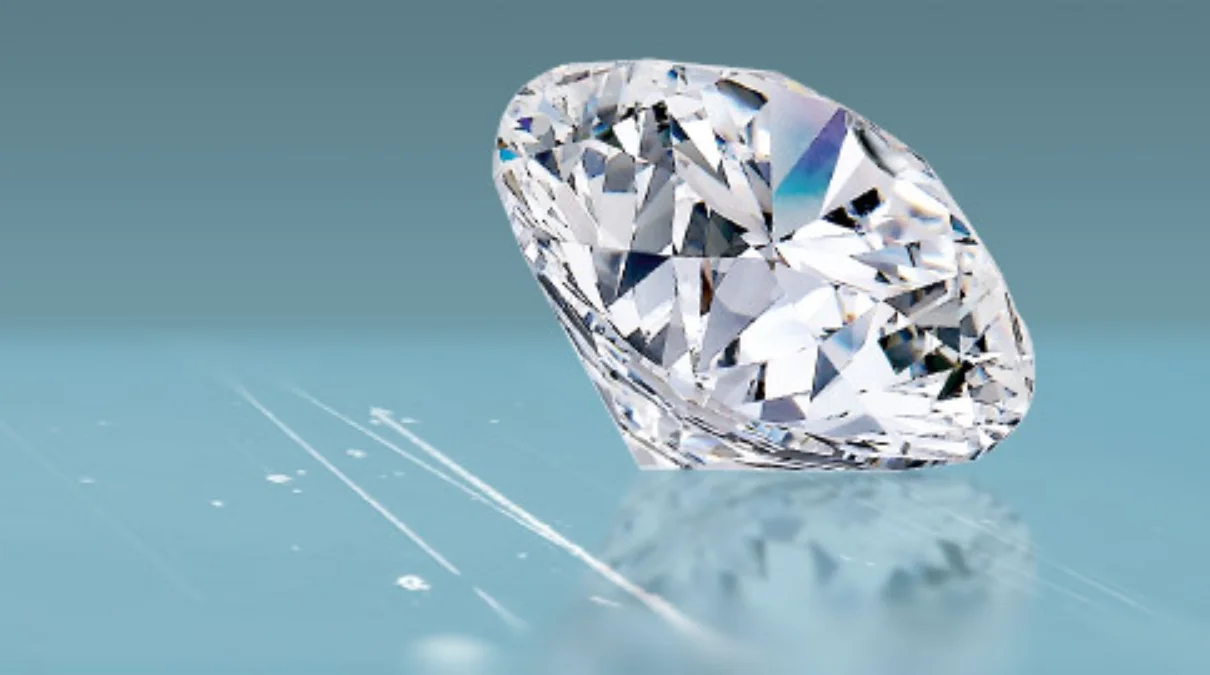
    Determining whether a diamond is real or fake is crucial, especially when investing in one. The allure of diamonds has led to the creation of many imitations that closely mimic their appearance, making it challenging to distinguish between genuine diamonds and fakes. This guide will explore various methods to help you identify a real diamond, understand the common imitations, and make informed decisions.

    Understanding Diamond Properties

    Real diamonds possess unique physical and chemical properties that set them apart from imitations. Diamonds are composed of carbon atoms arranged in a crystal lattice structure, giving them exceptional hardness and brilliance. They rank 10 on the Mohs scale of hardness, making them the hardest natural substance on Earth. Their refractive index (RI) also contributes to their distinctive sparkle, as they bend light differently than other materials.

    Common Diamond Simulants

    Several materials are commonly used to simulate diamonds, including cubic zirconia, moissanite, white sapphire, and glass. Each has distinct properties that can help in identifying them:
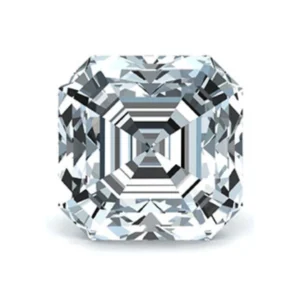
    • Cubic Zirconia (CZ): A popular diamond substitute, CZ is often colorless but lacks the brilliance of a diamond.
    • Moissanite: Often mistaken for a diamond due to its hardness and brilliance, moissanite has a higher RI and tends to display a rainbow-like effect under light.
    • White Sapphire: While it can resemble a diamond, white sapphire lacks the sparkle and brilliance of a real diamond.
    • Glass Imitations: Glass is a much softer and less brilliant material, often used in costume jewelry.

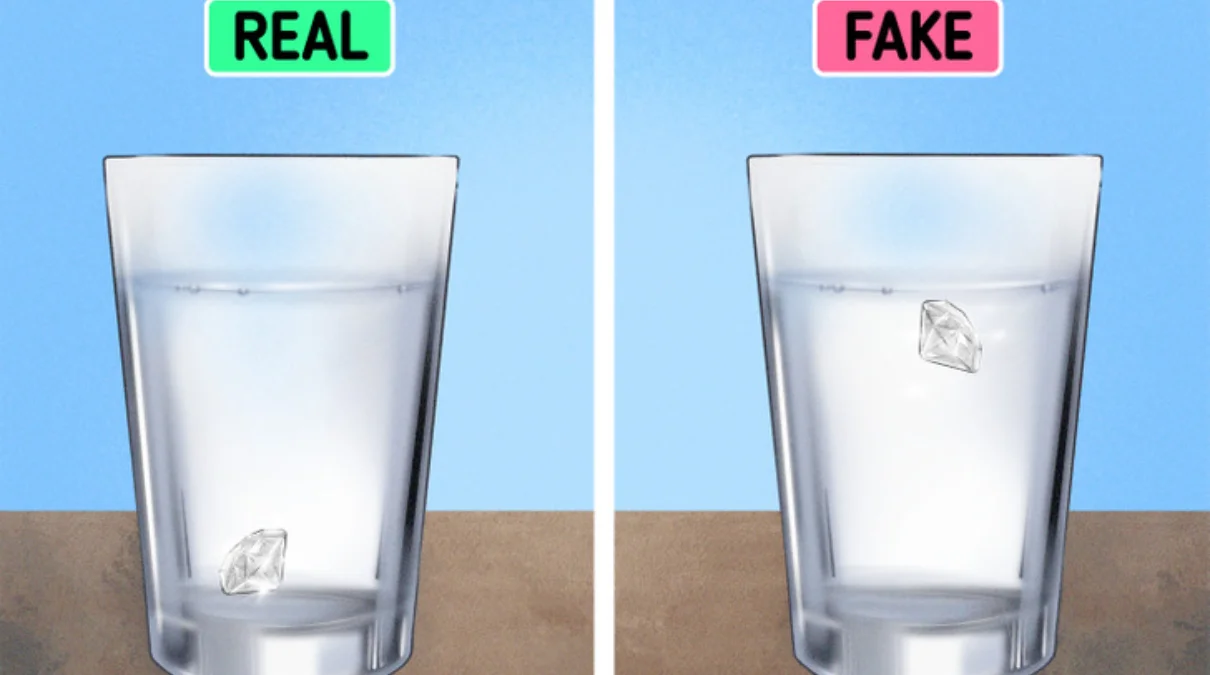
    The Water Test

    The water test is a simple and effective way to determine if a diamond is real. Here’s how to do it:

    The Water Test for diamond reality check
    1. Fill a glass with water.
    2. Drop the diamond into the glass.
    3. Observe the diamond’s behaviour.

    Real diamonds will sink to the bottom due to their high density, while many fakes, like glass or plastic, will float or sink slowly.

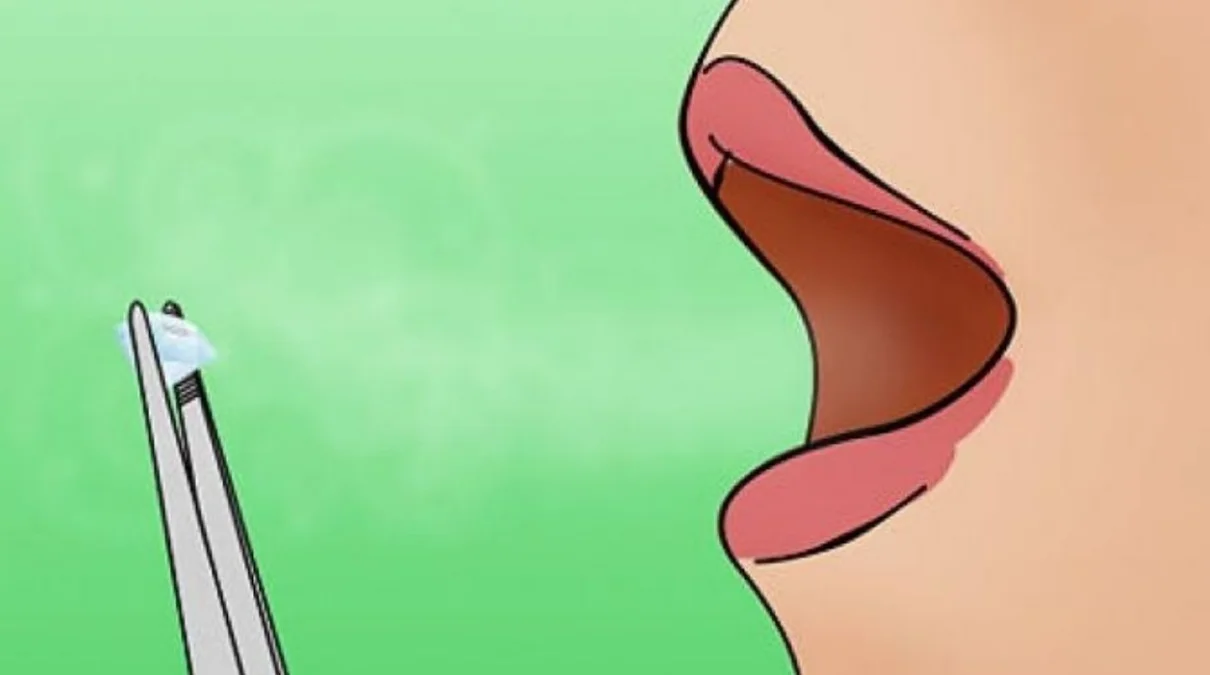
    The Fog Test

    The fog test is another easy method to check a diamondโ€™s authenticity. Follow these steps:

    check Diamond real or fake at home The Fog Test
    1. Hold the diamond close to your mouth and breathe on it to create a thin layer of fog.
    2. Observe how quickly the fog dissipates.

    Real diamonds disperse heat rapidly, causing the fog to clear almost instantly. In contrast, fake diamonds, like cubic zirconia, retain the fog for longer due to their lower thermal conductivity.

    The Scratch Test

    The scratch test exploits the hardness of a diamond. While diamonds can scratch almost any material, they are unlikely to be scratched themselves. To perform this test:

    The Scratch Test Real diamond or not
    1. Use a tool or surface that could be scratched (like a piece of glass).
    2. Gently scratch the surface with the diamond.

    While this test can confirm a diamondโ€™s hardness, it is risky as it might damage the diamond or the surface you’re testing on. Also, many fakes can also be hard enough to scratch glass, so this test isnโ€™t foolproof.

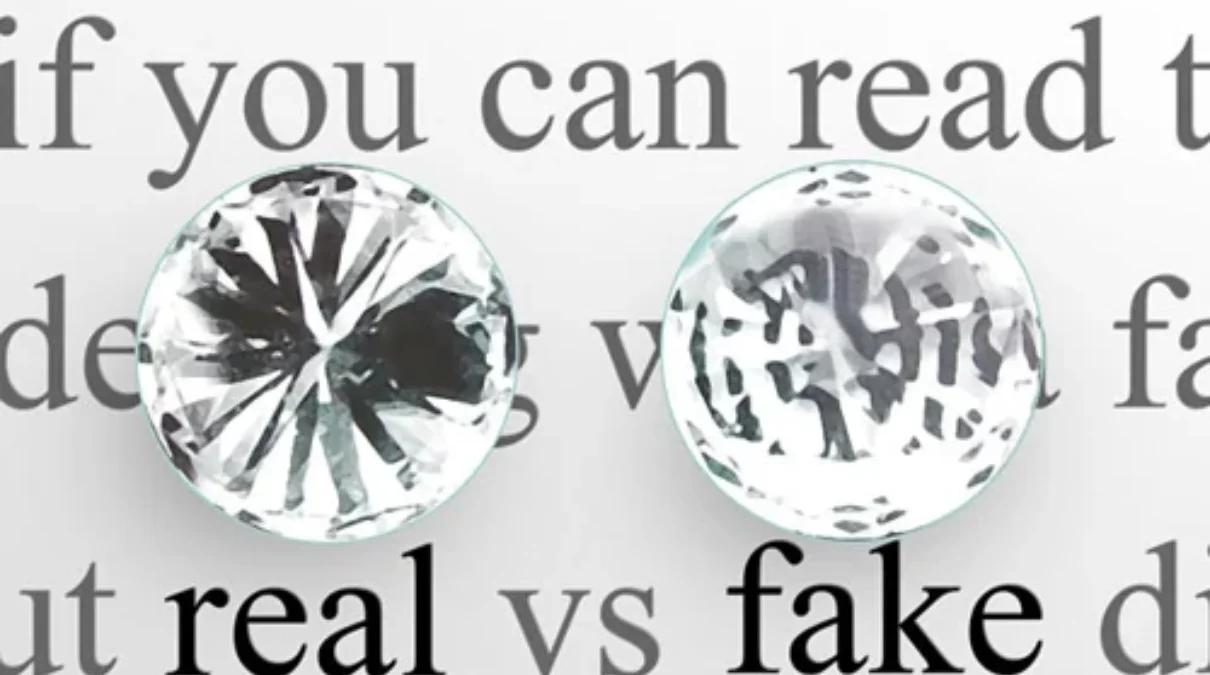
    The Refractivity Test

    Diamonds are renowned for their ability to refract light, creating a stunning sparkle. To test this property:

    The Refractivity Test for diamond
    1. Place the diamond flat side down on a newspaper or printed page.
    2. Look through the diamond from the top.

    If you can read the text or see distorted letters through the stone, it is likely not a diamond. Real diamonds refract light in such a way that the text will not be visible or will appear significantly blurred.

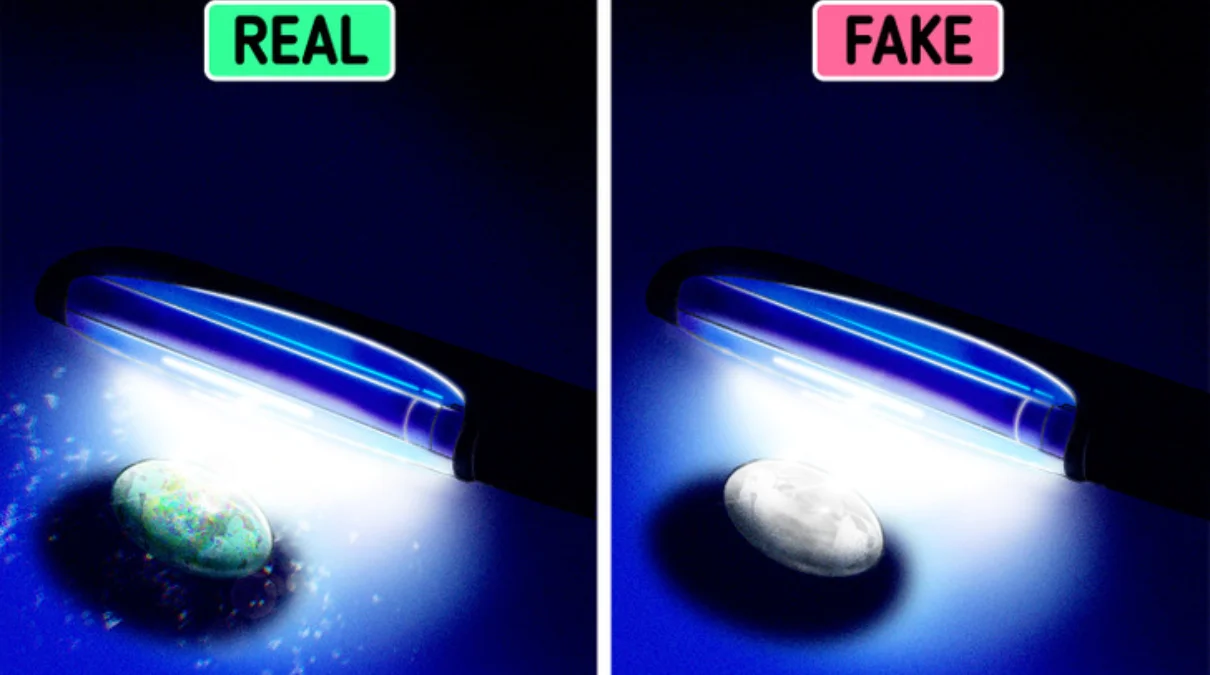
    The UV Light Test

    Some diamonds fluoresce under ultraviolet (UV) light, glowing blue or other colors. To perform the UV test:

    The UV Light Test
    1. Expose the diamond to UV light in a dark environment.
    2. Observe any fluorescence.

    While many real diamonds will show some degree of fluorescence, this is not a definitive test as some diamonds do not fluoresce, and some fakes might mimic this effect.

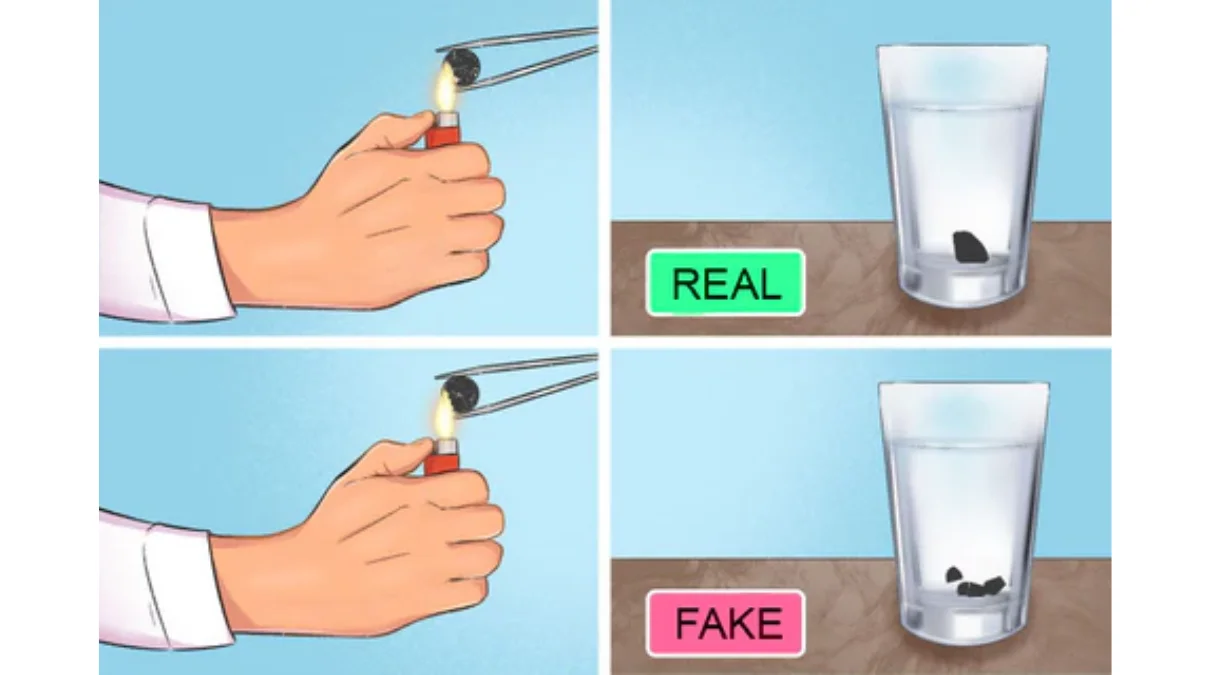
    The Heat Test

    This test examines how well a diamond can withstand heat. To perform the heat test:

    The Heat Test
    1. Heat the diamond for about 30 seconds using a lighter or a small flame.
    2. Drop the heated diamond into cold water.

    A real diamond will not react to the sudden temperature change due to its strong structure, while many fakes will crack or shatter.

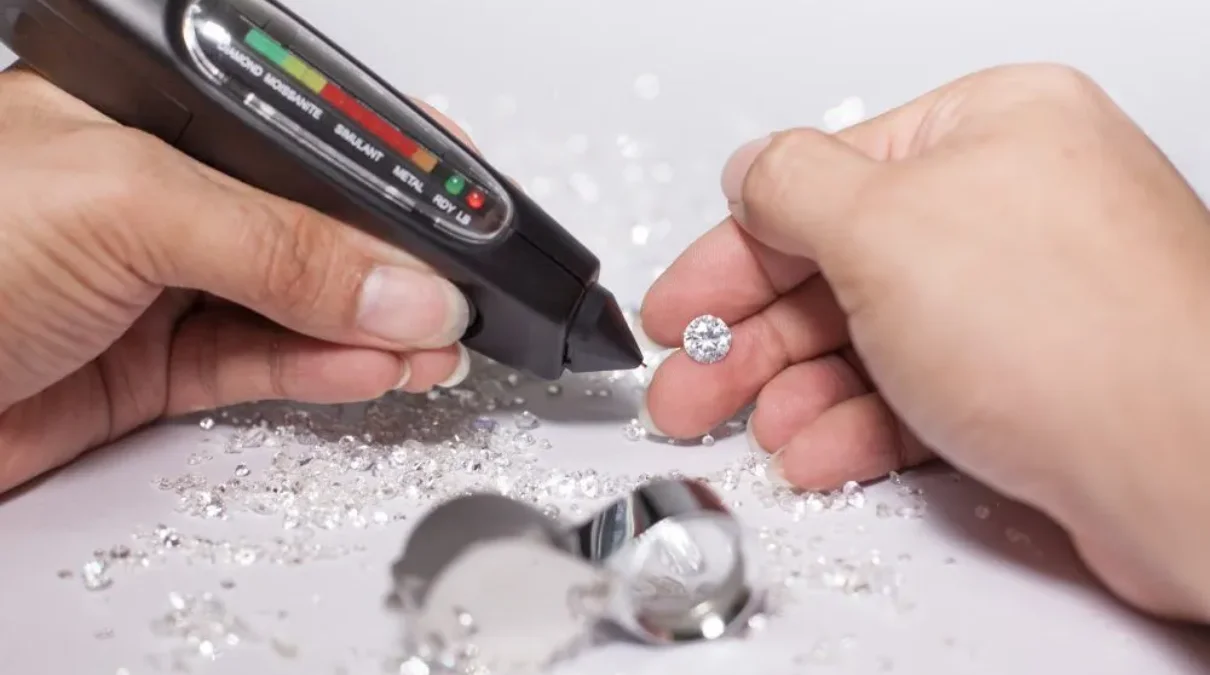
    The Conductivity Test

    Diamonds conduct heat better than most simulants, which is why a thermal conductivity test is often used:

    The Conductivity Test
    1. Use a diamond tester (a tool specifically designed for this purpose).
    2. Place the probe on the diamond and observe the reading.

    Real diamonds will show high thermal conductivity on the tester, while simulants like cubic zirconia will not.

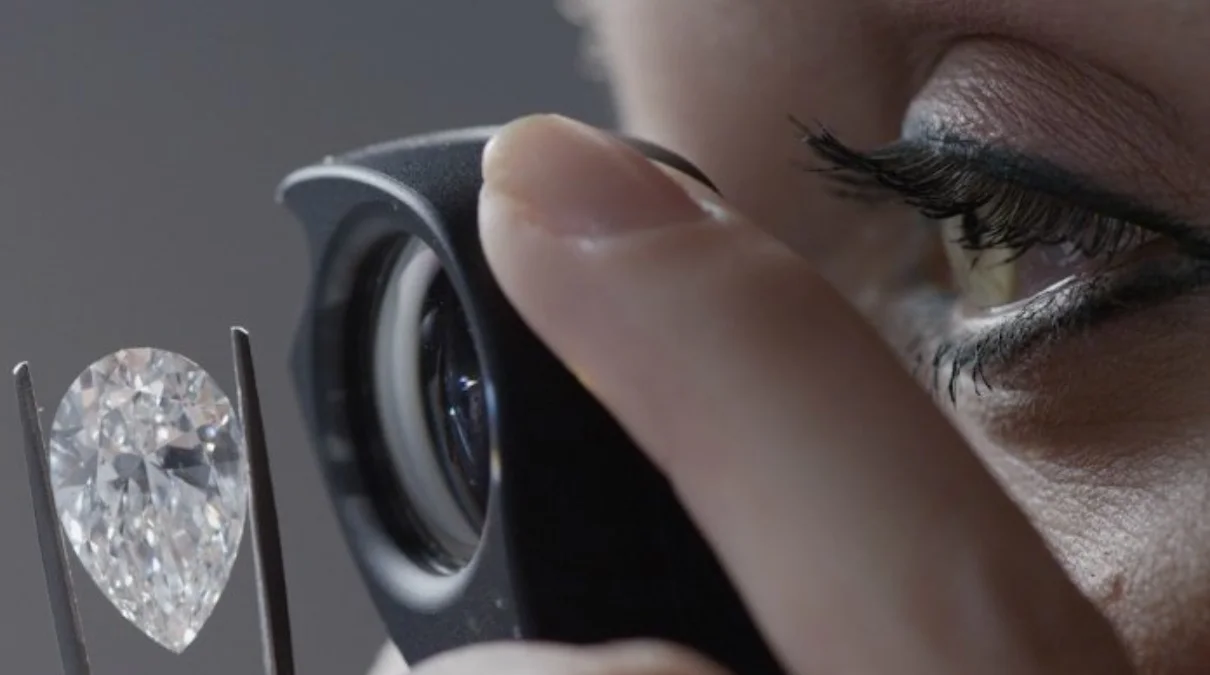
    The Magnification Test

    Using a loupe or microscope can help identify a diamondโ€™s authenticity by revealing its internal features:

    The Magnification Test
    1. Inspect the diamond under magnification.
    2. Look for inclusions, flaws, and the sharpness of the edges.

    Real diamonds often have natural imperfections or inclusions, unlike synthetic stones that tend to be flawless. The edges of a diamond are also usually sharp, while imitations often have rounded edges.

    Comparing Diamonds with Simulants

    When comparing diamonds with common stimulants, focus on:

    • Brilliance: Diamonds have a unique sparkle that imitators struggle to replicate.
    • Hardness: Diamonds are significantly harder than most simulants.
    • Weight: Cubic zirconia, for example, is denser and heavier than diamonds of the same size.

    Understanding these differences can help you distinguish a real diamond from a fake.

    Professional Testing Methods

    If in doubt, professional testing is the most reliable way to verify a diamondโ€™s authenticity:

    • Laser Inscription: Some diamonds come with a laser inscription on the girdle, which can be checked under magnification.
    • X-ray Examination: X-rays can differentiate between diamonds and imitations based on their absorption levels.
    • Laboratory Conductivity Testing: Advanced conductivity tests can accurately distinguish diamonds from fakes.

    Consulting a Professional Jeweler

    When unsure, consulting a professional jeweler is recommended:

    • Expertise: Jewelers have the experience and tools to accurately assess diamond authenticity.
    • Appraisal Costs: While there is usually a fee, a professional appraisal can provide peace of mind.

    Conclusion and Final Tips

    Determining whether a diamond is real or fake involves a combination of tests. While at-home tests like the water or fog test can give you an indication, professional evaluation is always the most reliable. Always buy diamonds from reputable sources and consider getting a certificate of authenticity.

  • 13 Creative Ways to Propose to Your Girlfriend

    13 Creative Ways to Propose to Your Girlfriend

    Proposing to your girlfriend is one of the most significant moments in your relationship. It’s a moment you’ll both remember forever, so making it special and personal is key. Whether you’re looking for something intimate, adventurous, or grand, this guide offers creative ways to propose that will reflect your love and ensure a heartfelt “Yes!”

    Understanding Her Personality

    Before you start planning, think about your girlfriendโ€™s personality and preferences. Is she someone who loves grand gestures, or does she prefer intimate moments? Does she enjoy surprises, or does she like to be in control? Understanding these aspects will help you choose a proposal idea that she’ll cherish.

    Romantic Dinner Proposal

    A romantic dinner proposal is a classic choice that never goes out of style. To make it unique:

    Romantic Dinner Proposal
    1. Choose a Special Location: Opt for a restaurant that holds meaning for both of you, like where you had your first date or a place with a breathtaking view.
    2. Personalize the Experience: Arrange for a private table, have her favorite flowers on the table, or work with the restaurant staff to serve the ring with dessert.
    3. Add a Surprise Element: You could propose during a quiet moment or ask the musician to play your song before you get down on one knee.

    Outdoor Adventure Proposal

    If your girlfriend loves the outdoors, consider proposing amidst natureโ€™s beauty.

    Outdoor Adventure Proposal
    1. Scenic Hike Proposal: Plan a hike to a scenic overlook, and propose at the peak where the view is as breathtaking as the moment.
    2. Beach Proposal: Write your proposal in the sand or plan a sunset picnic on the beach with the waves as your soundtrack.
    3. Hot Air Balloon Proposal: Propose as you float above stunning landscapes, giving her a memory that will take her breath away.

    Destination Proposal

    Combine the excitement of travel with the romance of a proposal.

    Destination Proposal
    1. Paris Proposal: Propose at the Eiffel Tower, on a Seine River cruise, or in a quaint Parisian cafรฉ.
    2. Tropical Island Proposal: A beachside proposal at sunset on a secluded island can be both romantic and private.
    3. Mountain Retreat Proposal: Pop the question in a cozy cabin after a day of skiing or hiking.

    Creative and Fun Proposals

    If you both have a playful side, a creative and fun proposal could be the perfect choice.

    1. Treasure Hunt Proposal: Organize a treasure hunt with clues leading to the final prize: the engagement ring.
    2. Board Game Proposal: Customize a game of Scrabble, Monopoly, or any favorite board game to spell out your proposal.
    3. Movie Night Proposal: Edit a video of your favorite moments together and surprise her with a proposal at the end.

    Holiday-Themed Proposal

    Holidays offer a festive backdrop for your proposal.

    Holiday Themed Proposal
    1. Christmas Proposal: Hang the ring on the Christmas tree, or propose during a cozy moment by the fire.
    2. Valentine’s Day Proposal: Go all out with a romantic dinner, flowers, and a proposal that embodies the spirit of love.
    3. New Year’s Eve Proposal: Start the new year with a bang by proposing as the clock strikes midnight.

    Surprise Party Proposal

    Involve friends and family in a surprise proposal that sheโ€™ll never see coming.

    1. Family Gathering: Propose during a family dinner or reunion, ensuring your loved ones are there to celebrate the moment.
    2. Friendsโ€™ Surprise Party: Plan a party under the guise of another celebration, then surprise her with the proposal in front of everyone.
    3. Group Outing: During a group hike, boat trip, or concert, surprise her with a proposal when she least expects it.

    Proposal with a Personal Touch

    Add elements that are meaningful to your relationship for a more intimate proposal.

    1. Memory Lane: Revisit the places where key moments in your relationship happened, and propose at the end of your journey.
    2. Handwritten Notes: Write a series of love notes or letters leading up to the proposal.
    3. Incorporate Hobbies: If you share a hobby, propose during an activity you both love, like cooking, painting, or gardening.

    At-Home Proposal Ideas

    For a cozy and private proposal, nothing beats the comfort of home.

    At Home Proposal Ideas
    1. Candlelit Dinner: Cook her favorite meal and propose during a candlelit dinner at home.
    2. Photo Album Proposal: Create a photo album of your journey together, with the last page asking the big question.
    3. Home Makeover: Decorate your living room with flowers, candles, and photos, turning it into a romantic paradise.

    Public Proposals

    If she loves the spotlight, a public proposal could be a thrilling surprise.

    1. Flash Mob: Organize a flash mob in a public square or park, culminating in your proposal.
    2. Sports Event: Propose during halftime at her favorite teamโ€™s game, or get the big screen involved.
    3. Concert Proposal: Arrange to have your proposal displayed on stage or on a screen at a concert youโ€™re attending.

    Tech-Savvy Proposal Ideas

    Use technology to add a modern twist to your proposal.

    1. Video Game Proposal: If sheโ€™s a gamer, create or modify a video game to include your proposal.
    2. Social Media Proposal: Post a series of hints on social media leading up to the big question.
    3. Virtual Reality Proposal: Create a virtual reality experience that ends with your proposal in a fantastical setting.

    Flash Mob Proposal

    If your girlfriend loves surprises and big gestures, a flash mob proposal is a lively and unforgettable choice.

    1. Choreograph the Moment: Hire a professional or gather friends to choreograph a dance routine that ends with your proposal.
    2. Choose the Right Location: Pick a public but meaningful location like a park, square, or mall.
    3. Capture the Moment: Hire a videographer to capture her reaction from start to finish.

    Proposal on a Special Date

    Timing is everything. Choose a date that holds significance to both of you.

    1. Anniversary Proposal: Celebrate your relationship by proposing on the anniversary of your first date, kiss, or another special milestone.
    2. Her Birthday: Make her birthday extra special by giving her the ultimate gift: a proposal.
    3. Day You Met: Take her back to where it all started, and propose on the anniversary of the day you met.

    Proposing with Pets

    If your girlfriend loves animals, involving her pet in the proposal can be adorable and meaningful.

    1. Pet Collar Proposal: Attach the ring or a note to her petโ€™s collar for a sweet surprise.
    2. Pet Photoshoot: Arrange a photoshoot with her pet and propose during the session.
    3. Pet Tag Proposal: Get a custom tag for her pet that says, โ€œWill you marry my human?โ€

    FAQs

    How do I choose the right way to propose to my girlfriend? 

    Consider her personality, interests, and what would make her feel most special. Tailor the proposal to something meaningful for both of you.

    Is it better to propose in private or in public? 

    It depends on your girlfriend’s preferences. If sheโ€™s shy, a private proposal might be better. If she loves the spotlight, a public proposal could be perfect.

    What should I say when proposing? 

    Speak from the heart. Share your feelings, what you love about her, and why you want to spend your life together.

    How can I make sure the proposal is a surprise?

    Plan carefully and keep it a secret from her. Involve only a few trusted friends or family members if necessary.

    Should I involve friends and family in the proposal?

     If your girlfriend is close to her family or friends, involving them can make the moment even more special.

    What should I do if she says no? 

    Respect her feelings, talk openly about why she said no, and give both of you time to reflect on your relationship.

    Conclusion

    Proposing to your girlfriend is a deeply personal and exciting moment. Whether you opt for a grand gesture or a quiet, intimate setting, the most important thing is that it reflects your love and commitment. Use these ideas as inspiration to create a proposal thatโ€™s as unique and special as your relationship. No matter how you choose to pop the question, remember that the love and thoughtfulness behind it are what truly matter.